


Fauna Robotics Sprout Creator Edition

- Runtime
- 180-210 min
- DOF
- 29 DOF
- Height
- 107 cm
Price on request · Available to order
Description
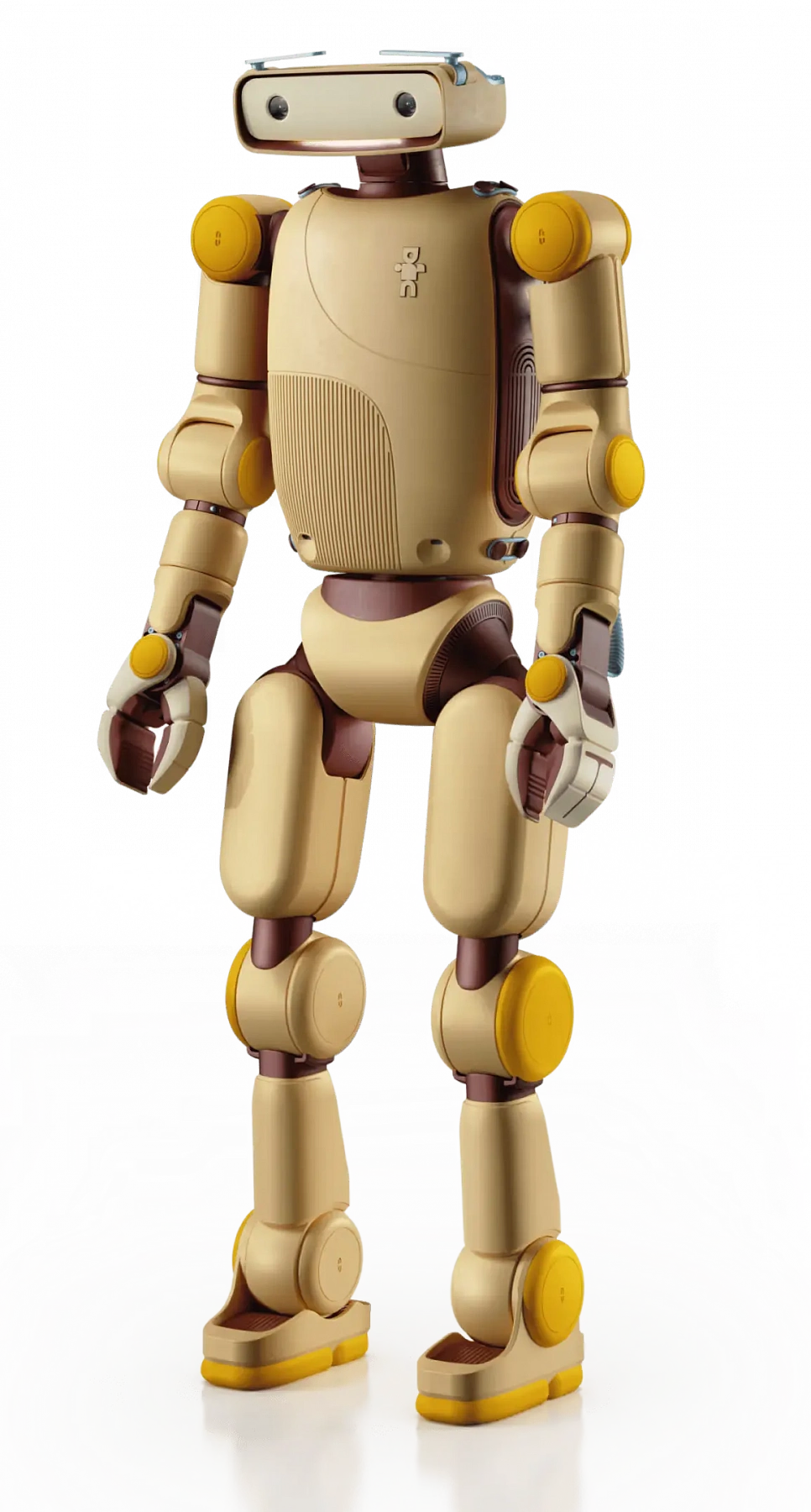
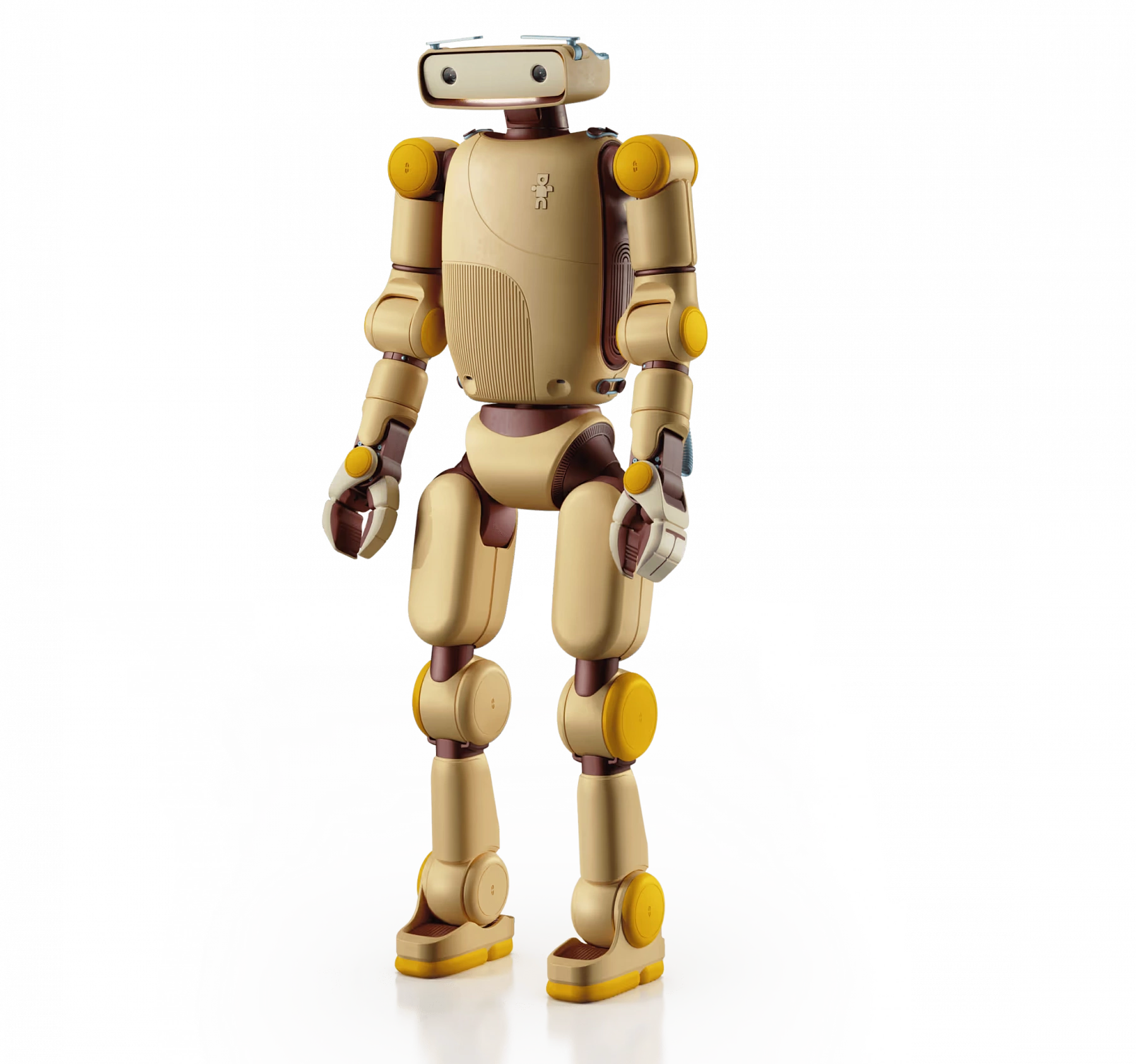
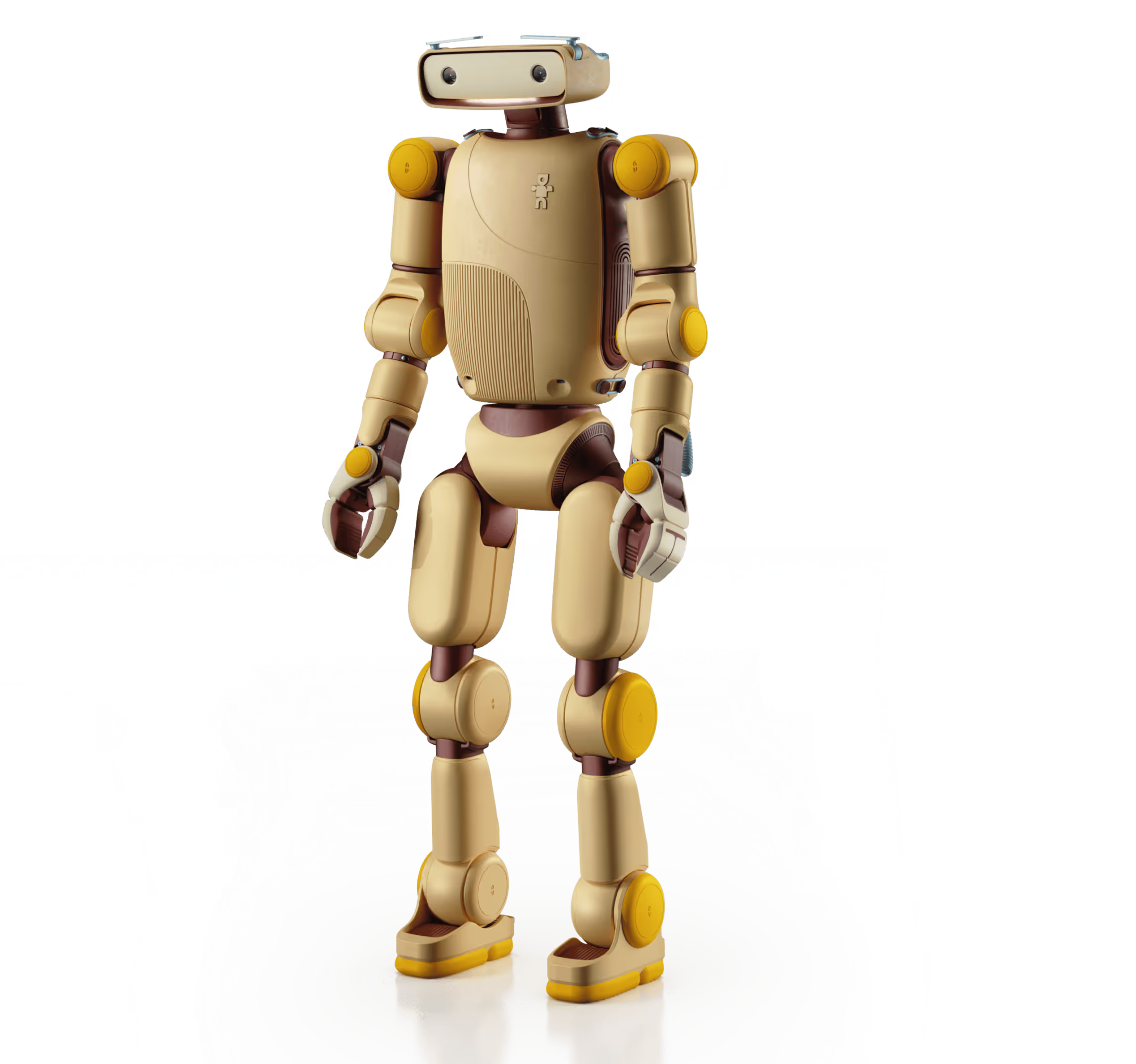
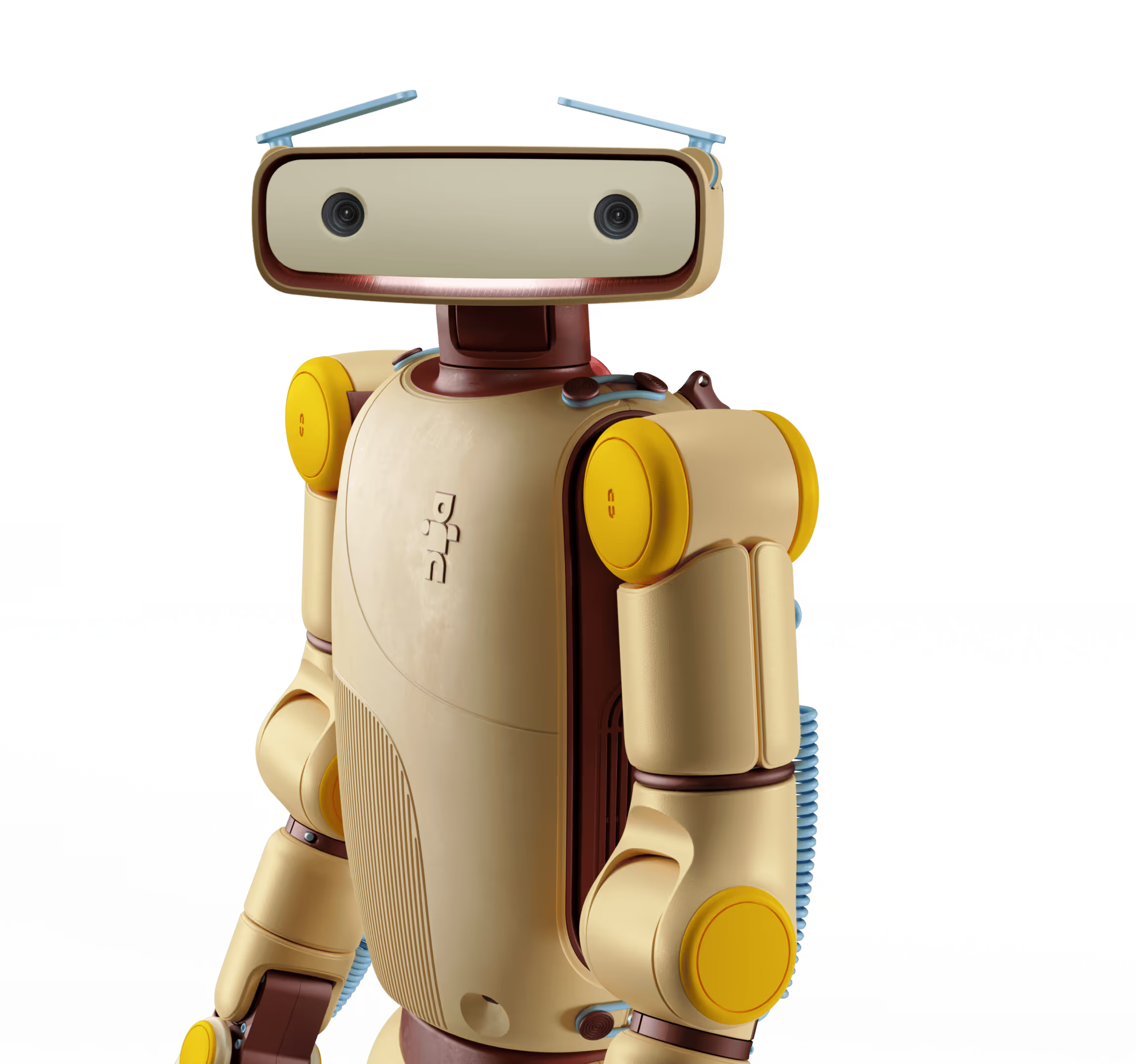
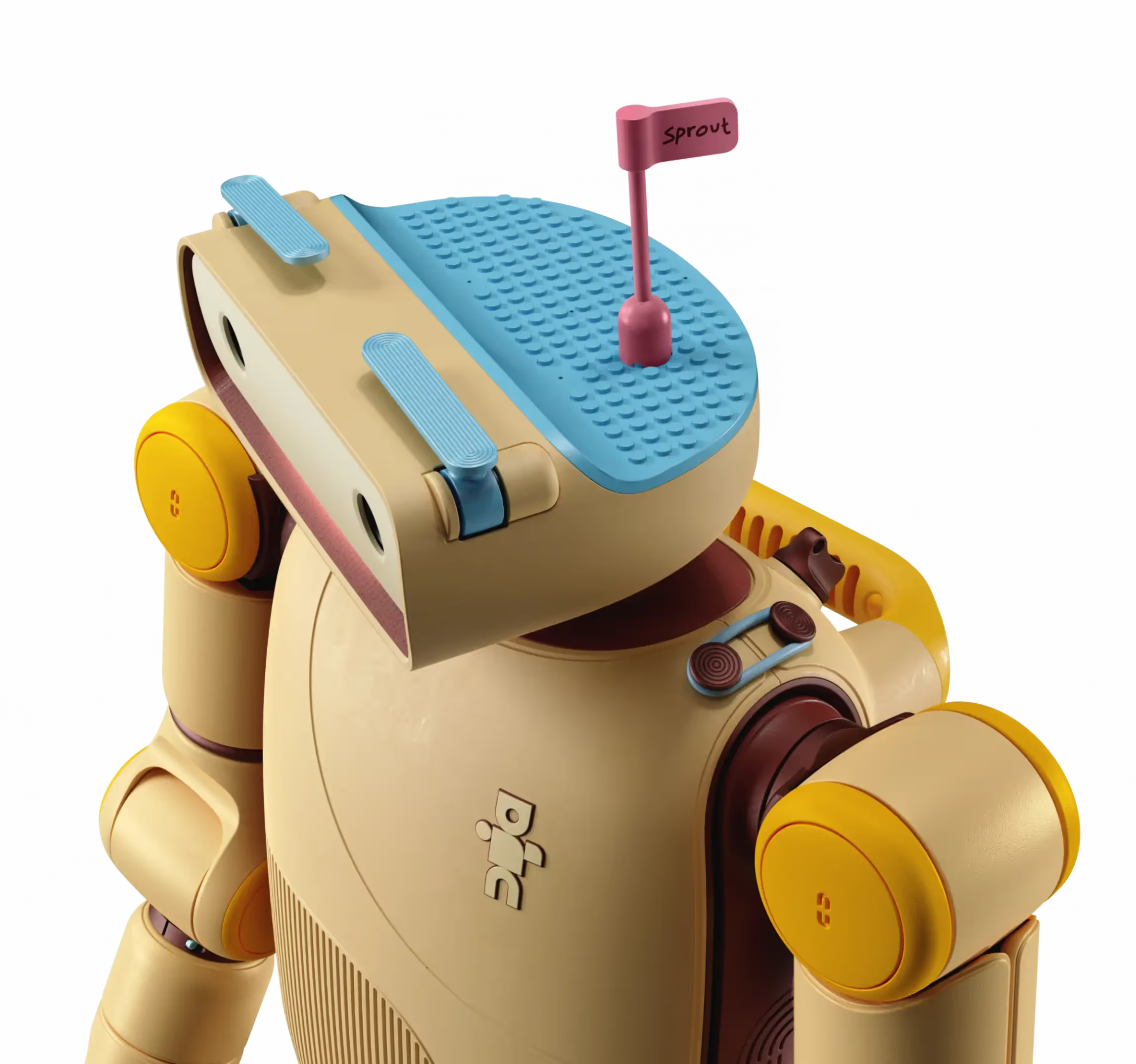
Fauna Robotics Sprout is a compact humanoid platform for developers, researchers and interactive applications. It stands 107 cm tall and weighs 22.7 kg. A soft exterior and expressive features make it relevant to studying interaction in human spaces. The intended application still needs to be developed and tested: the platform provides a foundation for a project rather than a promise that every behaviour or conversation is ready to deploy.
Connect movement with an application
Sprout combines bipedal mobility, arms with grippers and expressive features. Fauna describes supplied motion capabilities and a modular software platform. A research sequence might combine moving to a position, greeting a participant and interacting with an object. Testing those stages individually gives the team clearer evidence before combining them into a complete behaviour.
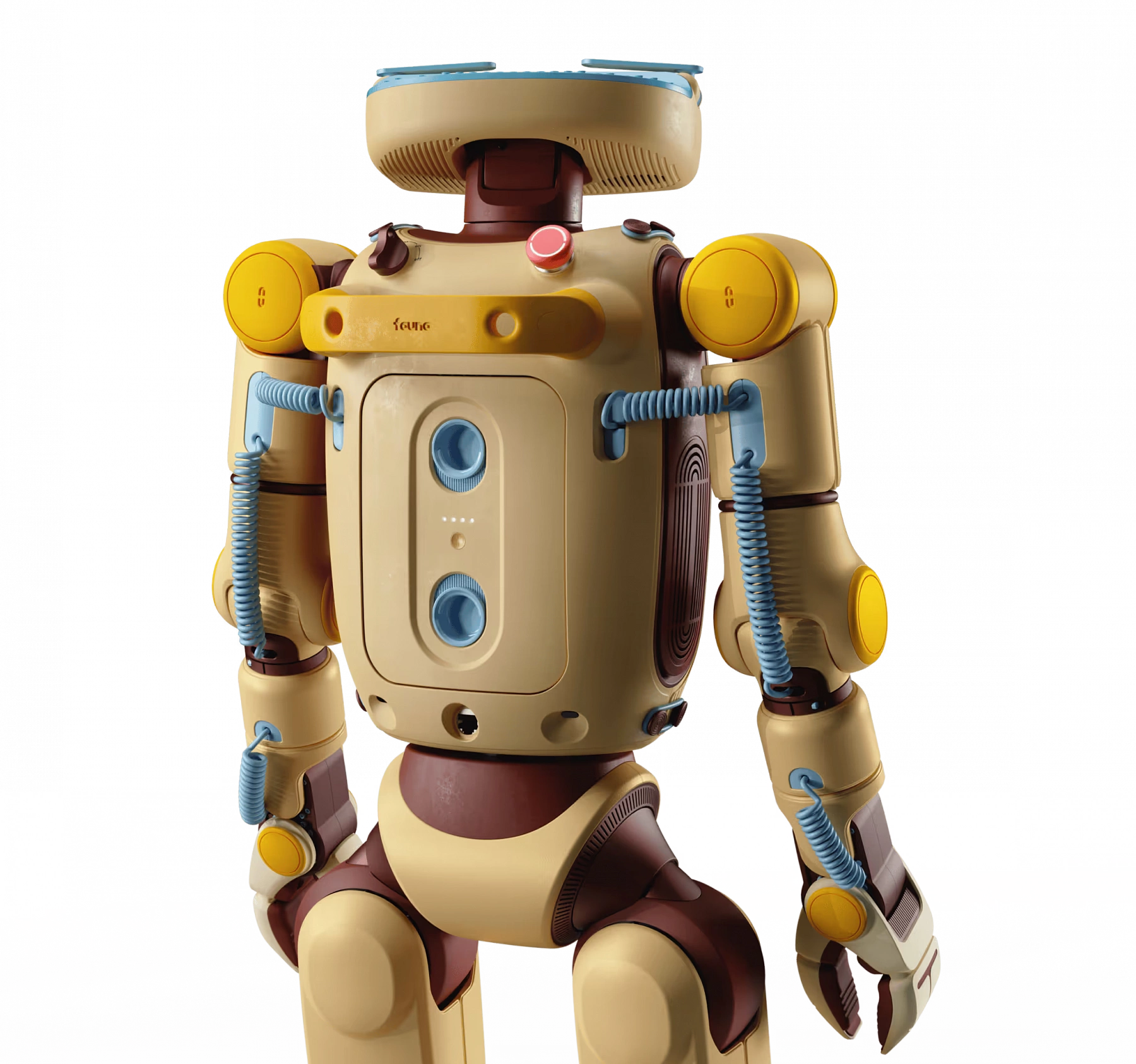
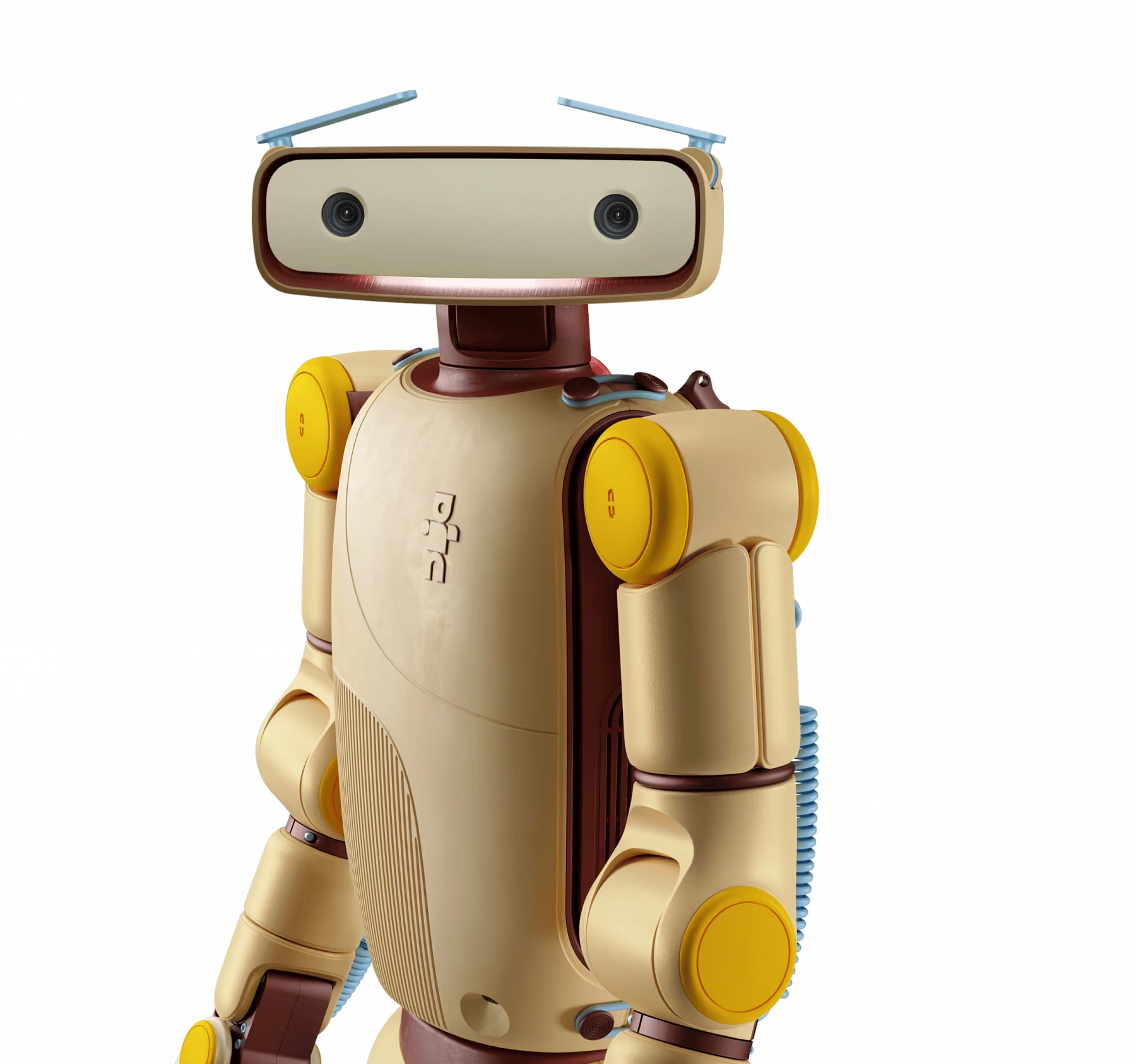
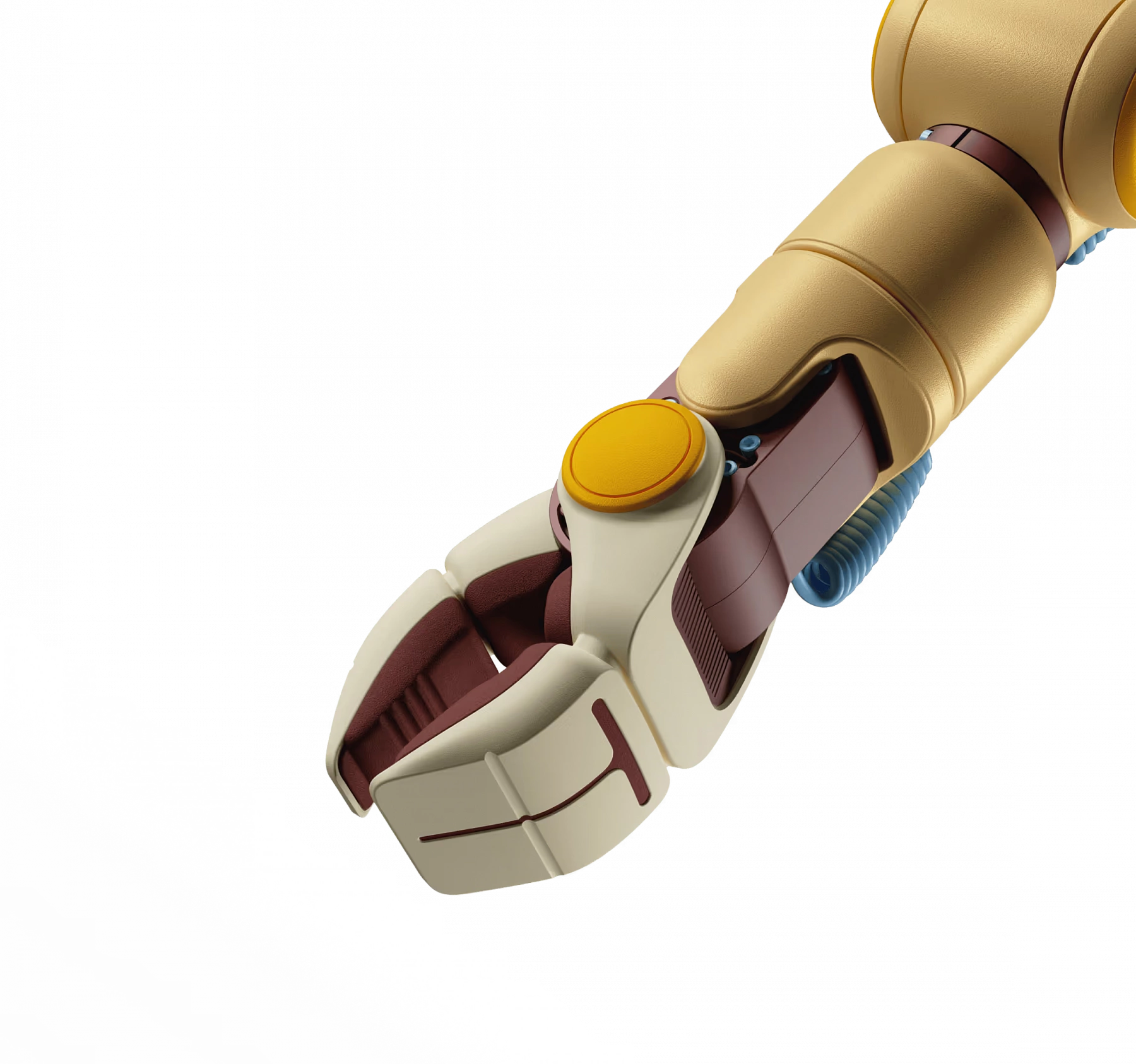
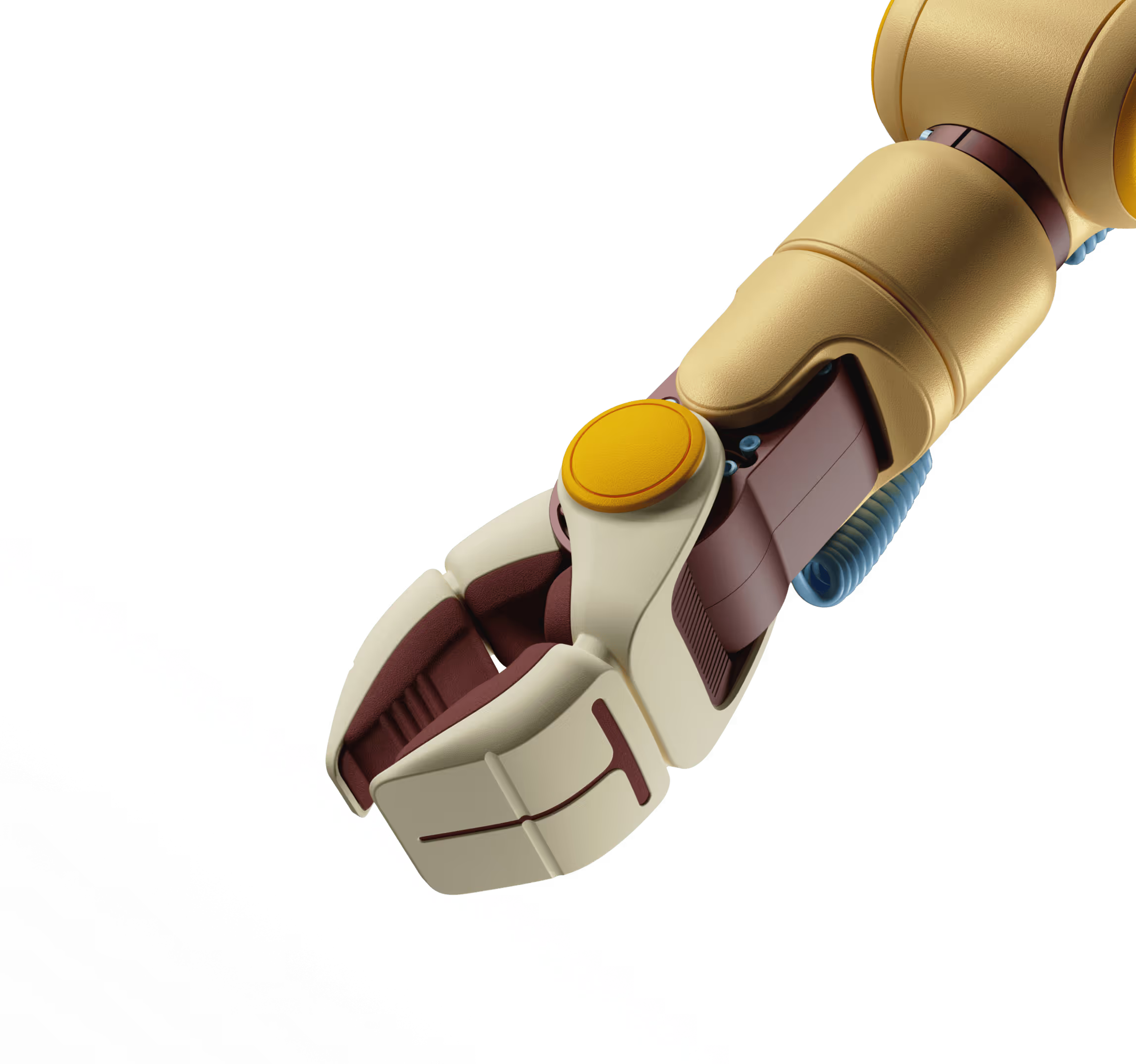
The stated 29 degrees of freedom include two articulated eyebrows. That total should not be read as the number of body or manipulation joints. For an object-handling experiment, examine the arm and gripper arrangement; for interaction research, consider how gestures, expression and the dialogue sequence work together.
Define the developer's part of the system
The manufacturer positions the SDK and modular architecture as a way to build applications above the robot's core services. A development brief should identify the commands the application needs, the observations it consumes and where its processing will run. This separates supplied platform functions from the models and code the project team must prepare.
Mapping and teleoperation are among the described capabilities. For an experiment using operator demonstrations, define what is recorded, how repeated runs are compared and what counts as completion. Seeing the robot perform a movement is not a substitute for checking access to the data and controls the research programme requires.
Perception and computing
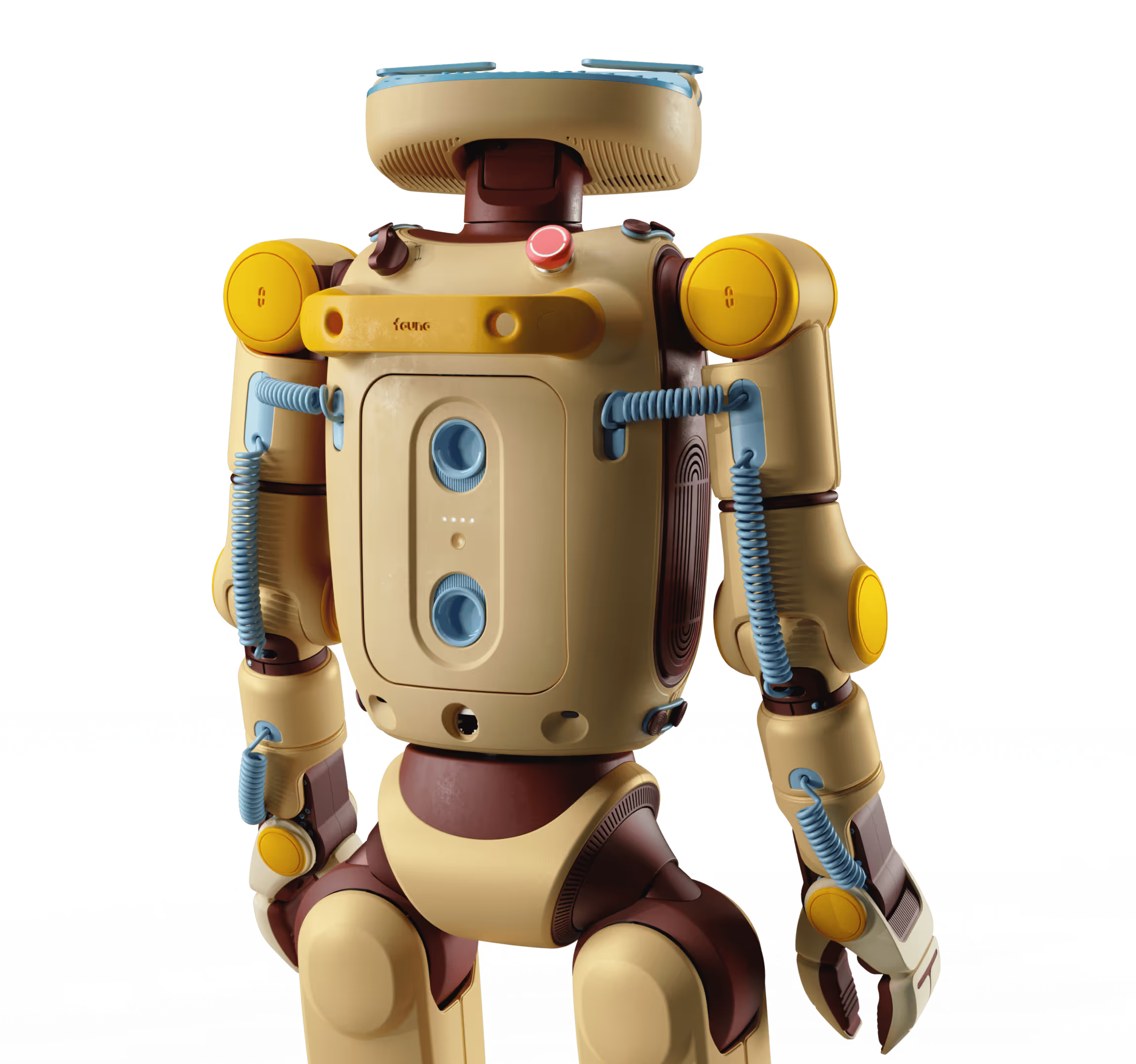
Sprout includes NVIDIA Jetson AGX Orin computing with 64 GB memory. The listed sensing package includes a ZED 2i stereo camera, four time-of-flight sensors, a microphone array and an inertial sensor. These provide different observations for an application, so select the inputs against the experiment and agree how their usefulness will be measured.
A voice application also needs a language, speech components and response rules. Microphones and speakers provide hardware, while the application must establish the actual dialogue behaviour. Trial the programme in its intended acoustic setting, including typical background conversations and the expected distance between the participant and robot.
Prepare interaction and handling trials
Fauna highlights compliant control, a soft exterior and active sensing in its approach to shared spaces. A project should turn those design features into a defined operating procedure. Set the trial area, permitted interactions and the operator's response to an interrupted programme before a teaching session or demonstration begins.
Arm loading must be considered with posture and holding duration. A brief lift with a bent elbow is a different condition from sustained holding with an extended arm. For a grasping project, use representative objects and evaluate the complete sequence through release, rather than selecting an item from a single maximum-load figure.
Choosing Sprout for a UAE development project
For a UAE laboratory, education programme or interactive installation, provide the room layout, planned behaviours, objects and required software access. In education, identify which application components students will build. For a demonstration, define programme length, participant interaction and the operator's role in starting and stopping the session.
The manufacturer's runtime guide is 3-3.5 hours with a swappable battery. Treat that as a planning input and check the duration of the actual routine. The selection should cover the complete working setup: robot, controls, developer resources and the application needed for the project's measurable outcome.
Specifications
Body
- Height
- 107 cm
- Width
- 45 cm
- Body depth
- 21 cm
- Arm length
- 48 cm
- Mass
- 22.7 kg
- Construction
- Aluminium and composites; padded exterior
- Country of origin
- USA
Actuation
- Degrees of freedom
- 29 DOFIncluding2actuated eyebrows
- Neck axes
- 2 DOFComponent: neck
- Arm axes
- 6 DOFComponent: each arm
- Gripper axes
- 1 DOFComponent: each gripper
- Leg axes
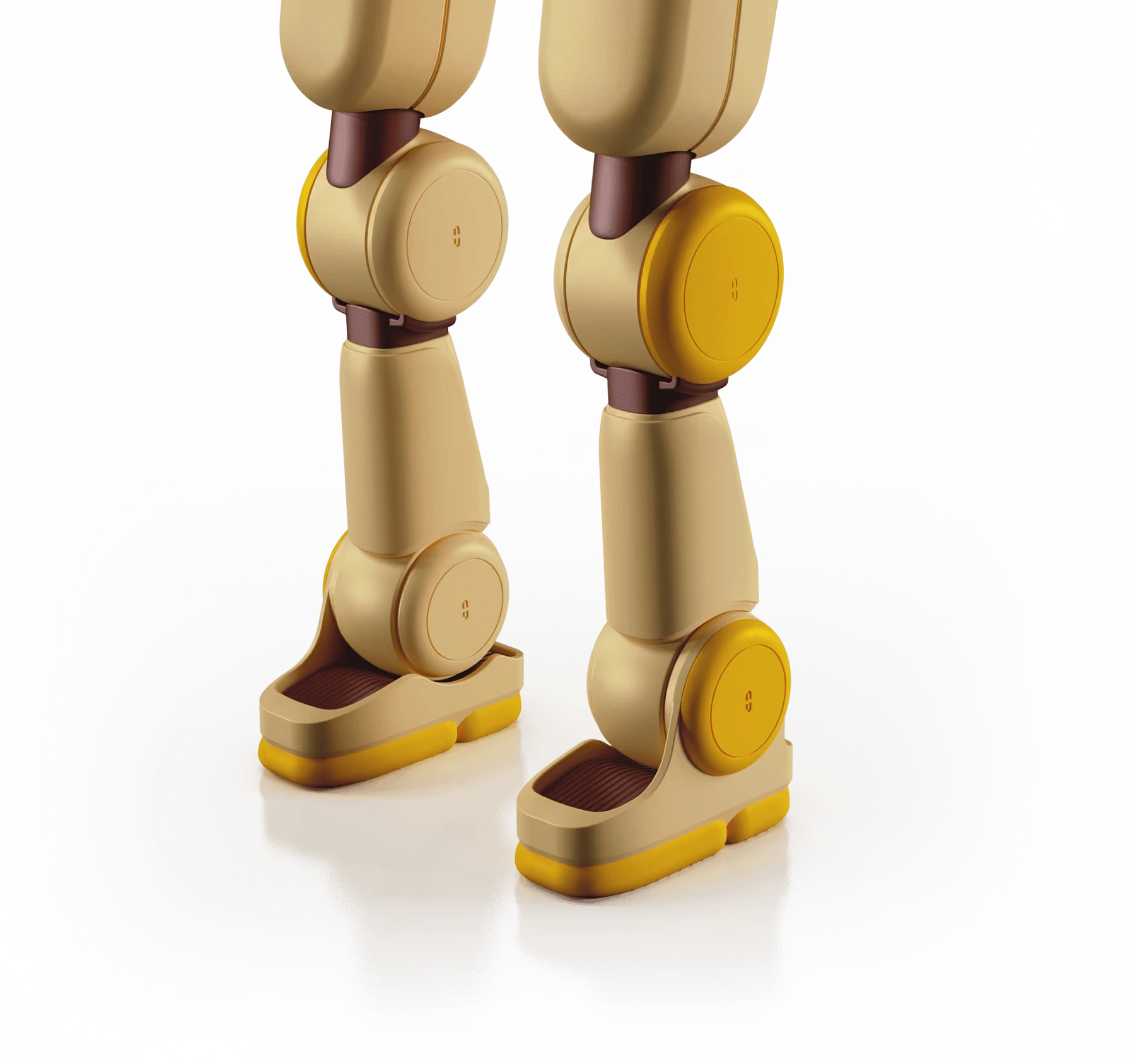
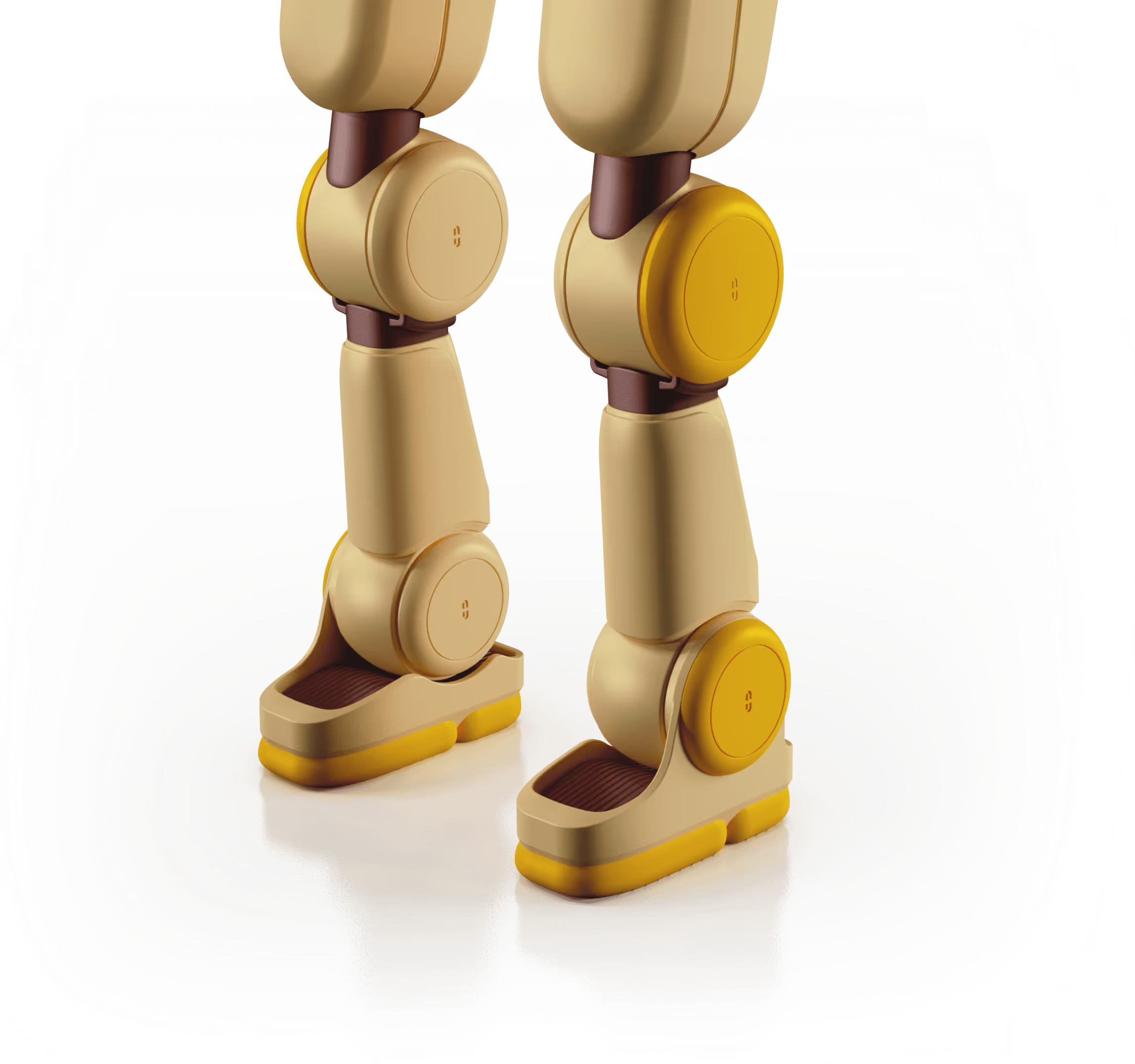
- 5 DOFComponent: each leg
- Grippers
- Rubberised interior
- Feet
- Low-impact design
- Gripper fingertip force
- 12 NSoftware force limit; component: gripper
Per-arm payloads
- Maximum payload, forward raise
- 3.7 kgPer arm; Forward raise; <10s; theoretical payload, availability depends on teleoperation controller
- Nominal payload, forward raise
- 1.75 kgPer arm; Forward raise; <90s; theoretical payload, availability depends on teleoperation controller
- Rated payload, forward raise
- 0.7 kgPer arm; Forward raise; Indefinitely; theoretical payload, availability depends on teleoperation controller
- Maximum payload, lateral raise
- 5.6 kgPer arm; Lateral raise; <10s; theoretical payload, availability depends on teleoperation controller
- Nominal payload, lateral raise
- 2.5 kgPer arm; Lateral raise; <90s; theoretical payload, availability depends on teleoperation controller
- Rated payload, lateral raise
- 0.0 kgPer arm; Lateral raise; Indefinitely; theoretical payload, availability depends on teleoperation controller; maintaining this pose indefinitely is not recommended even without payload
- Maximum payload, bent elbow
- 11.2 kgPer arm; Bent elbow; <10s; theoretical payload, availability depends on teleoperation controller
- Nominal payload, bent elbow
- 5.0 kgPer arm; Bent elbow; <90s; theoretical payload, availability depends on teleoperation controller
- Rated payload, bent elbow
- 1.1 kgPer arm; Bent elbow; Indefinitely; theoretical payload, availability depends on teleoperation controller
Computing
- Compute
- NVIDIA Jetson AGX Orin
- Memory
- 64 GB
- Storage
- 1 TBNVMe SSD
Sensing
- Camera
- ZED2i RGB-D stereo
- ToF sensors
- 4 × VL53L8CX
- Inertial sensor
- 9-axis IMU
- Microphones
- 4 MEMS
- Camera FoV H×V×D
- 110 × 70 × 120 °Component: ZED2i
- Camera depth range
- 0.3-20 mComponent: ZED2i; diagram range
- ToF grid
- 8 × 8Component: VL53L8CX
- ToF field of view
- 65 °Component: VL53L8CX
- ToF depth range
- 4 mComponent: VL53L8CX
Power
- DC system
- 46.8 V DCNominal system voltage
- Battery, standard
- 5000 mAhStandard battery
- Battery, extended
- 10000 mAhExtended-run battery
- Battery chemistry
- Li-ion
- Battery cells
- Molicel P50B
- Runtime
- 180-210 minSwappable battery
Connectivity
- Wireless connection
- Wi-Fi5.2
- External port
- Ethernet
Audio and expression
- Audio processor
- Cirrus Logic CS47L35 DSP
- Audio processing
- ASR / TTS / beamforming
- Speakers
- 2
- Facial display
- Full-colour360° LED array
- Articulated eyebrows
- 2
Environment
- Operating temperature
- 10-30 °C
- Storage temperature
- 5-35 °C
- Humidity
- 10-90 % RHOperation and storage; noncondensing
- Operating environment
- Indoor only
- Protection
- IP20
Software platform
- SDK
- Fauna SDK
- API languages
- Python / C++
- Visualisation
- Foxglove
- Simulation
- NVIDIA Isaac Sim / Gazebo / MuJoCo
- VR teleoperation
- Meta Quest3VR headset not included
Operation
- Emergency stop
- E-Stop
- Handle
- Ergonomic
- Safety architecture
- High-level / low-level / inherent layers
- Included accessories
- Li-ion battery / Fauna Charger / controller / documentation
Architecture and control
- Control motherboard
- Power distribution / sensor acquisition / motor control
- Independent monitoring
- Embedded processors independent of application compute
- Controller communication
- CBOR over Ethernet
- Motor control modules
- 3 MCMs:0/1/2
- Internal CAN, MCM1
- CAN0:left arm;CAN1:right arm;CAN2:neckInternal component
- Internal CAN, MCM0
- CAN0:left leg;CAN1:right leg;CAN2:torsoInternal component
- Internal sensor links
- UART/I2C:IMU and ToF arrayInternal component
- Internal camera link
- USB to JetsonInternal component
- Application transport
- ROS2 / RMW Zenoh
- Deployment
- Docker containers
- Robot description formats
- USD / URDF / MJCF
- Teleoperation app
- Embody for Meta Quest
- Operator feedback
- Visual / haptic feedback
- Mapping
- Visual-inertial-kinematic odometry / TSDF SLAM
- Navigation
- Global and local route planning / obstacle avoidance
- Voice services
- ASR / TTS; developer assembles an agent from services
- External voice services
- Deepgram Flux / ElevenLabs v2
- On-device voice
- NVIDIA Riva, configurable option
Service rates
- Stereo RGB recording
- 30 HzData-collection mode
- Command recording
- 50 HzPose, joint and velocity commands; data-collection mode
- State recording
- 125 HzProprioceptive state; data-collection mode
- Odometry estimate
- 50 HzPose / velocity / covariance
- Planning cycle
- 10 HzDefault
Developer services
- Agent tools
- MCP server for motion modes, behaviours and navigationManufacturer technical report v1; developer services
- VR communication
- JSON over WebSocket; video and audio over WebRTCManufacturer technical report v1; developer services
- Voice activation
- openWakeWord; hey robot wake phraseManufacturer technical report v1; developer services
- Developer diagnostics
- Companion web app; synchronized telemetry, event and sensor logsManufacturer technical report v1; developer services
- Motion modes
- Walking / kneeling / crawling; separately trained controllersManufacturer technical report v1; developer services