

ANYmal
- Additional payload
- 10 kg
- Walking runtime
- 90–120 min
- Normal walking
- 2.7 km/h




Price on request · Available to order
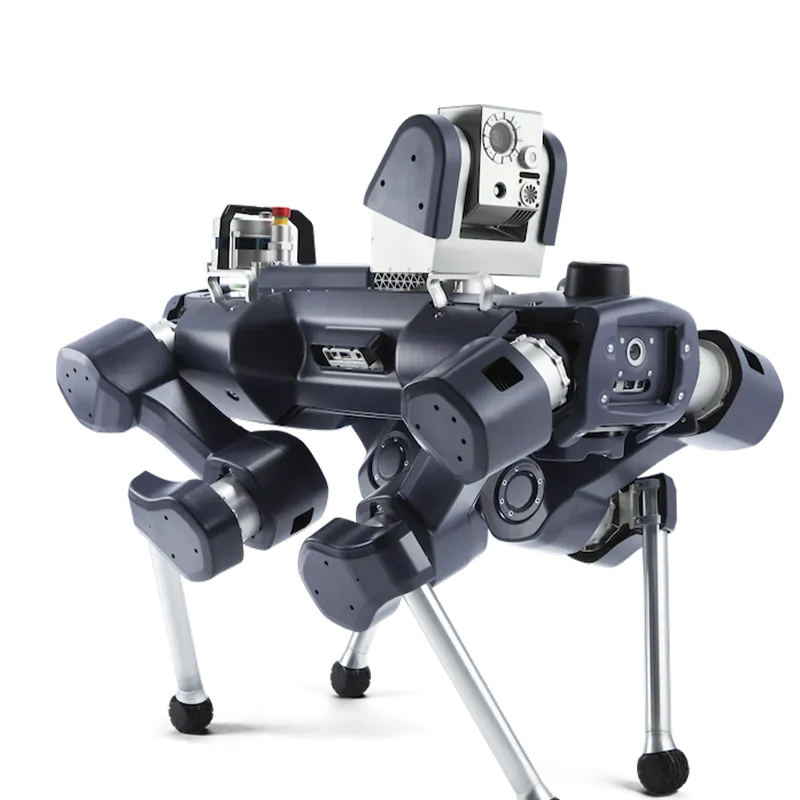
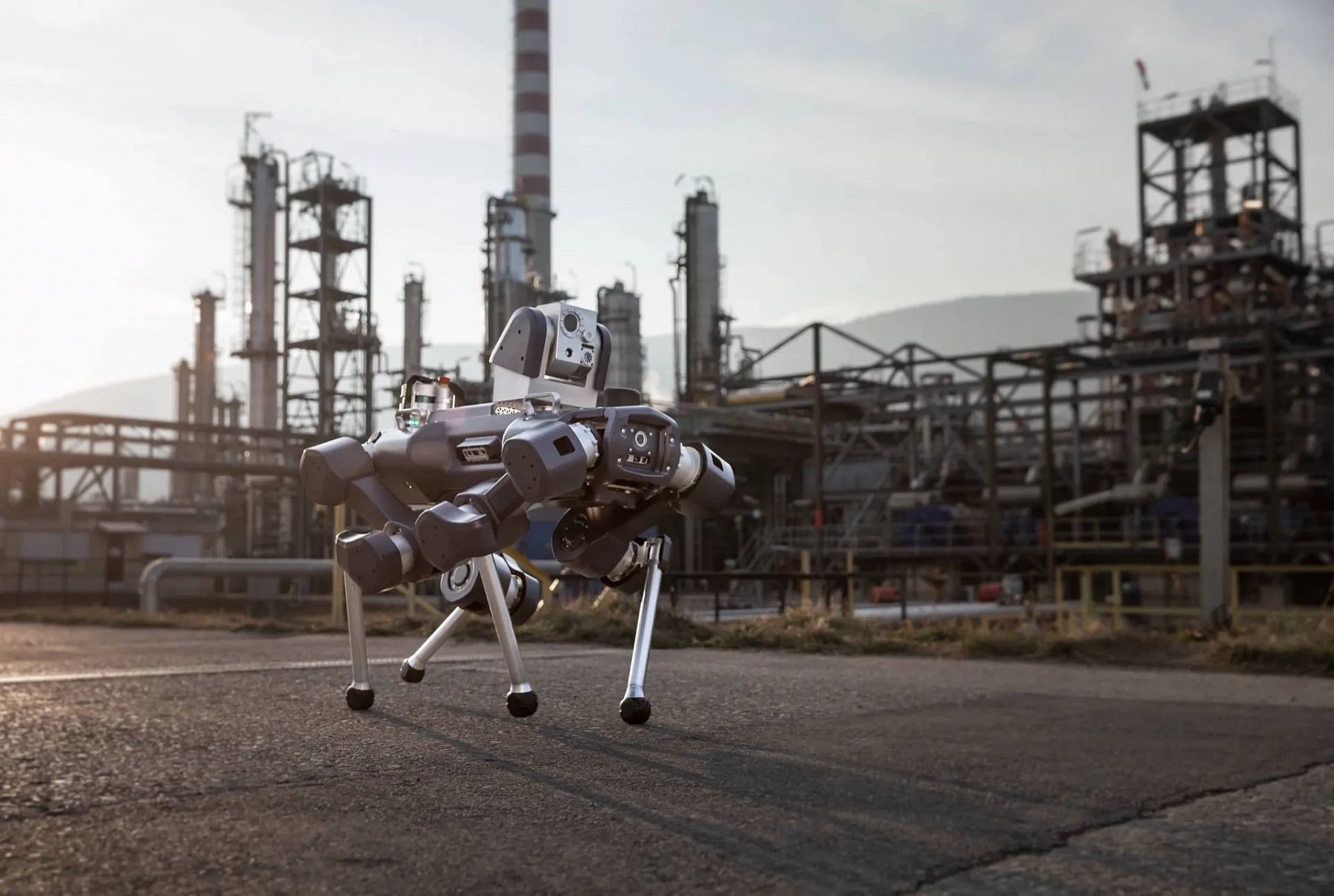
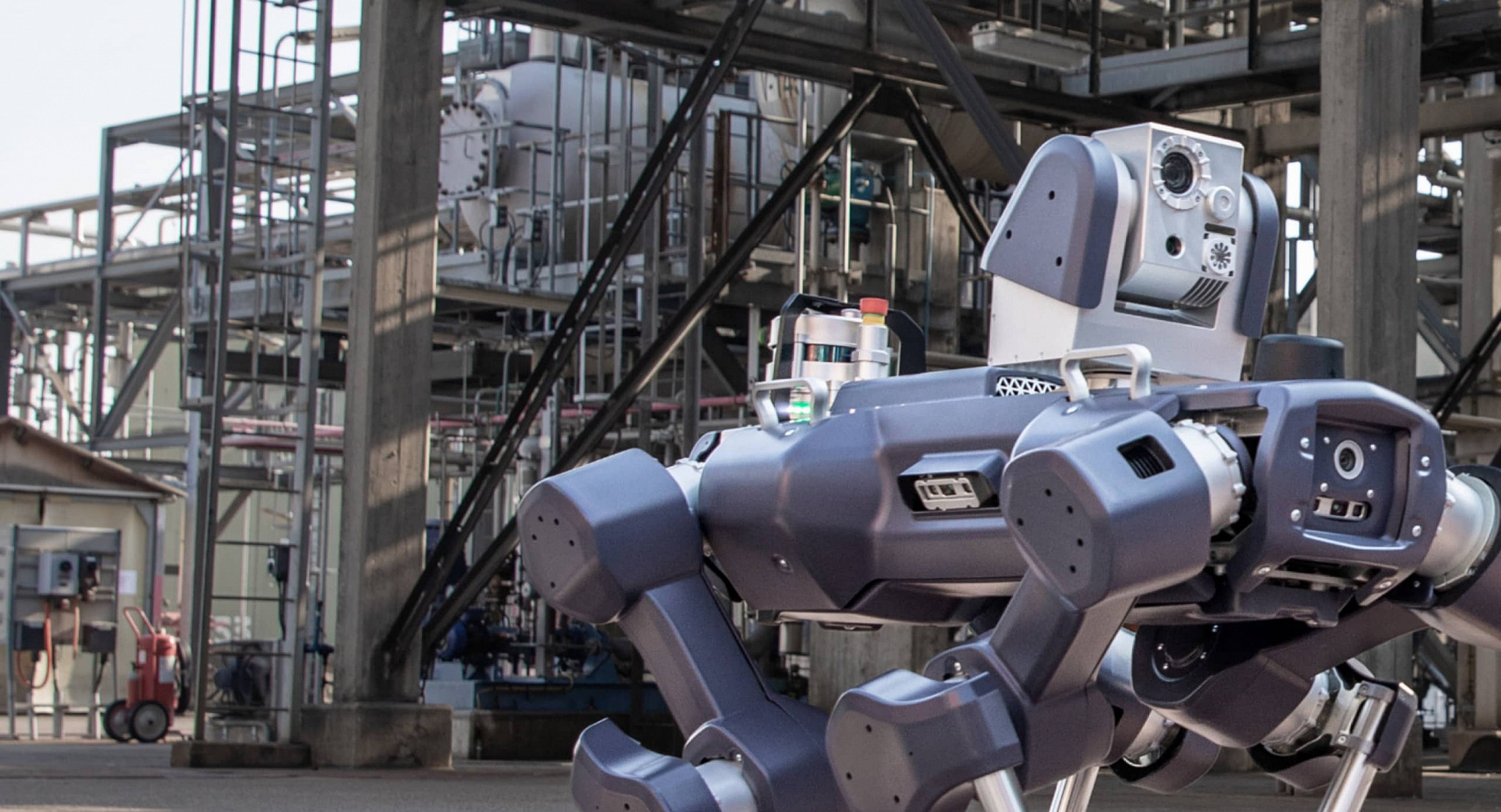
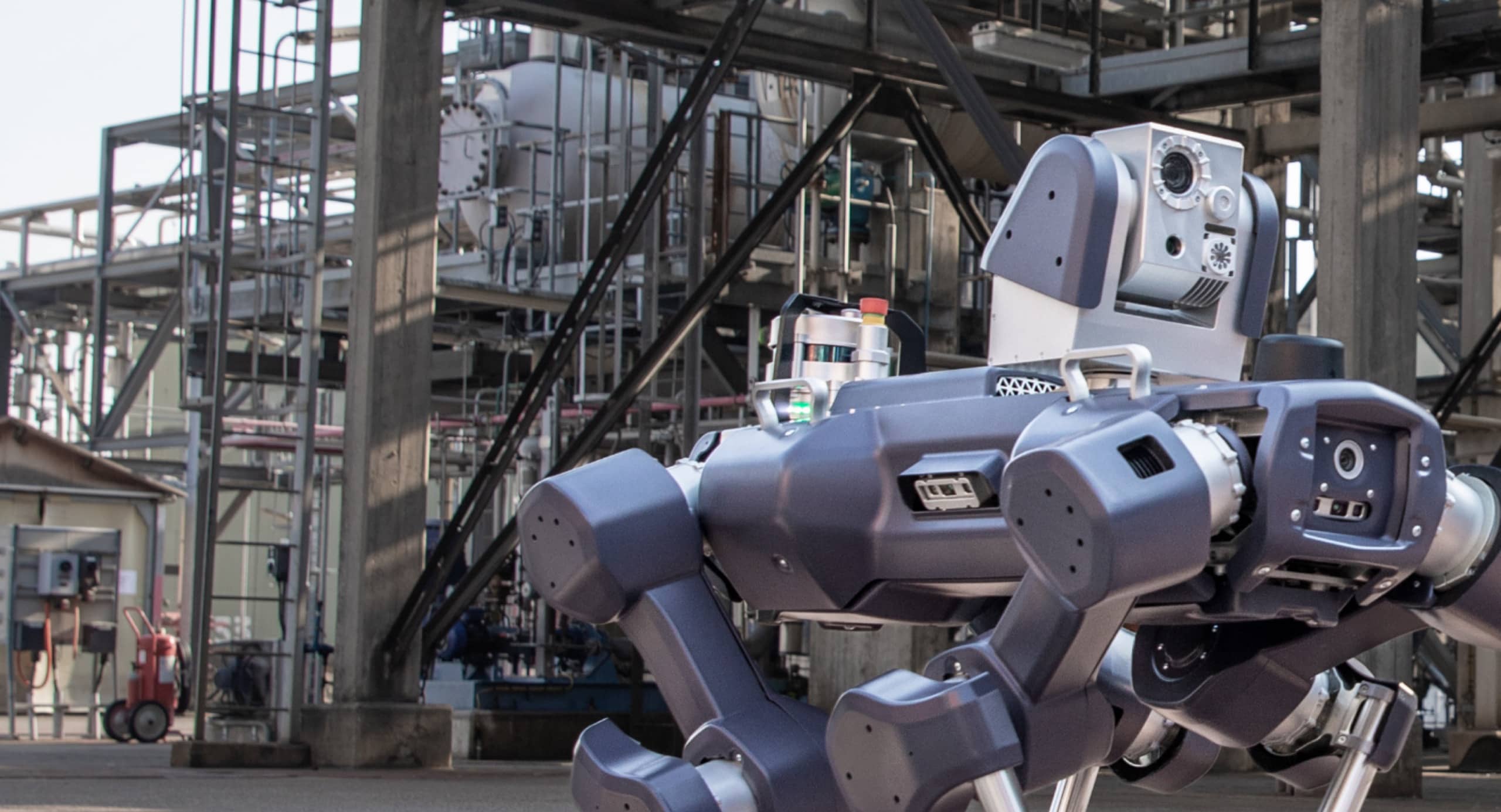
ANYbotics ANYmal X is an explosion-protected quadruped robot for industrial inspection. It is intended for environments such as oil, gas and chemical facilities where equipment selection depends on the hazardous-area classification. The manufacturer specifies ATEX and IECEx certification for gas areas up to Zone 1 IIB. Selection for an individual site still requires matching the supplied equipment marking and documentation to the classified area.
ANYmal X brings sensing equipment to inspection checkpoints along a prepared route. A proposed mission can combine visual observations of indicators or connections, thermal observations of surfaces and recordings near equipment. The maintenance team should define the evidence required at each point and how it will assess a change between rounds.
Begin a pilot with inspection steps that already have a clear procedure. Check whether the target is visible from a practical robot position, whether the required detail can be resolved and whether successive observations are comparable. This makes acceptance measurable: an engineering team can judge the collected evidence rather than relying on a general demonstration of autonomous movement.
The inspection assembly combines a camera with 20x optical zoom, thermal imaging, a microphone and a spotlight on a pan-and-tilt unit. ANYmal X has a published thermal measurement range of -10 to +400 °C. That is the temperature range of the measurement, not an ambient operating limit, and it should not be replaced with the different range listed for standard ANYmal.
The microphone specified for ANYmal X records audible frequencies. If the inspection requires ultrasonic analysis, confirm a suitable sensing configuration instead of assuming that another family member's capability applies. Also consider the target's viewing angle: a sensor specification alone cannot determine whether a pipe, panel or machine housing can be inspected from a particular aisle.
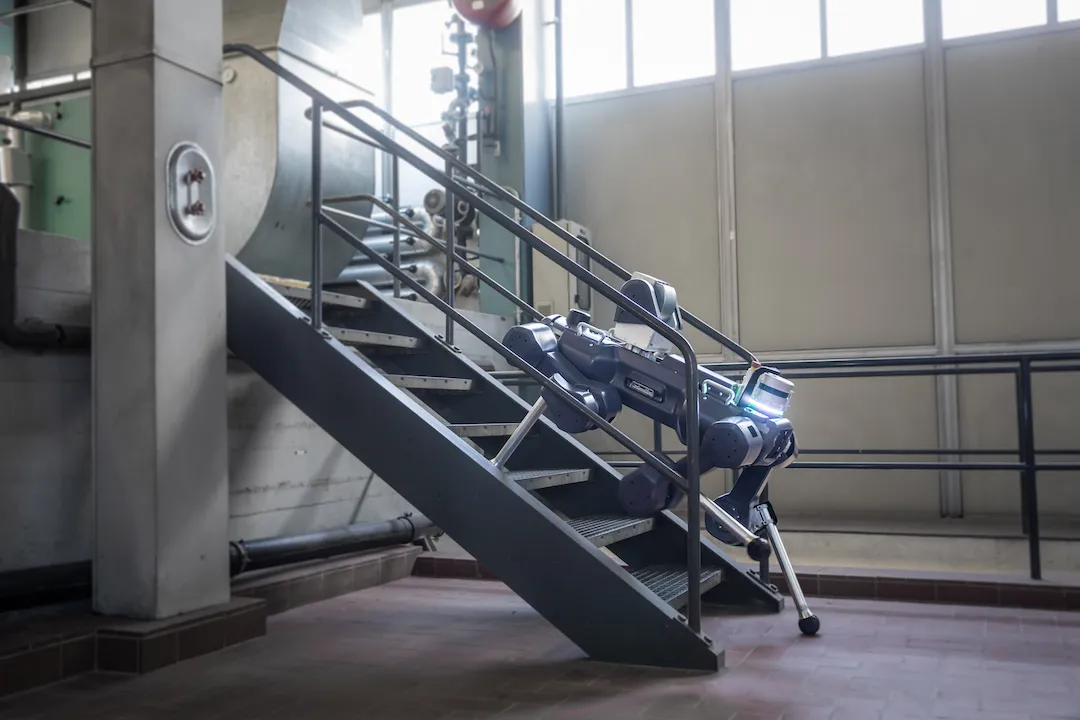
Four-legged mobility is relevant to multi-level facilities, including industrial stairs and confined passages. Navigation uses lidar information, while a ruggedized tablet provides an operator interface. Route assessment should include both reaching the checkpoint and positioning the sensing assembly for the required observation.
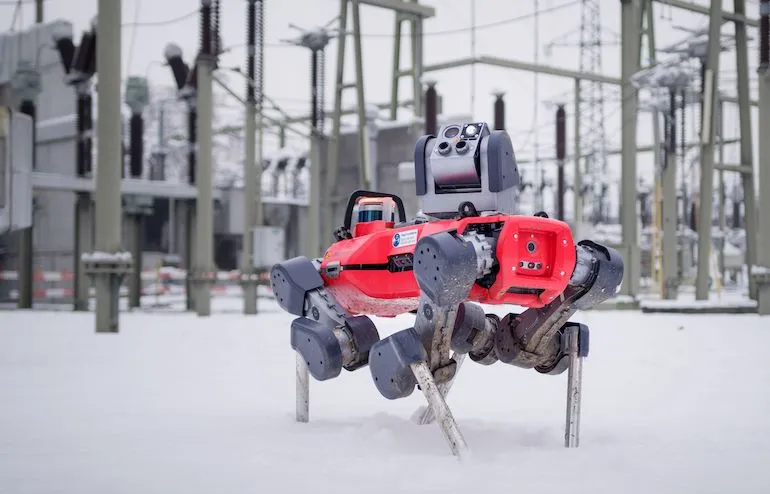
For a hazardous-area mission, define access boundaries, blocked-route behaviour and the circumstances in which the task must stop. Check locations close to pipework, doors and personnel routes. Hardware emergency stopping and warning lights are useful equipment features; their presence still needs to be incorporated into the site's operating procedure and supervision arrangements.
An optional gas-sensor payload is available for concentration measurements. Selecting it requires the target substances, measurement requirements and the intended use of the readings. A camera image, an acoustic observation and a gas concentration measurement provide different evidence. List the required sensors explicitly rather than assuming that all inspection options are included.
The project should state who receives a warning, what makes an inspection stop and how a finding is passed to the responsible team. Do not treat a mobile sensing option as automatic proof that the robot replaces the facility's existing gas-safety system. That question depends on the site's engineering requirements and the scope of the agreed project.
A UAE project brief should include the classified-area information, assets to inspect and sample measurements required by the maintenance team. Use these to select the robot version and sensing equipment, then validate a representative route. If findings must enter an existing maintenance platform, define the data format, permissions and acceptance test for that exchange.
Water and dust protection, thermal measurement range and explosion protection answer separate selection questions. IP67 does not by itself establish hazardous-gas suitability. Compare ANYmal X with standard ANYmal using the exact documentation for the supplied version, and agree which inspection tasks, routes and operating conditions are included in the proposal.
Tell us about your task, site and robot. Leave your contact details so we can discuss the scope and next steps.