
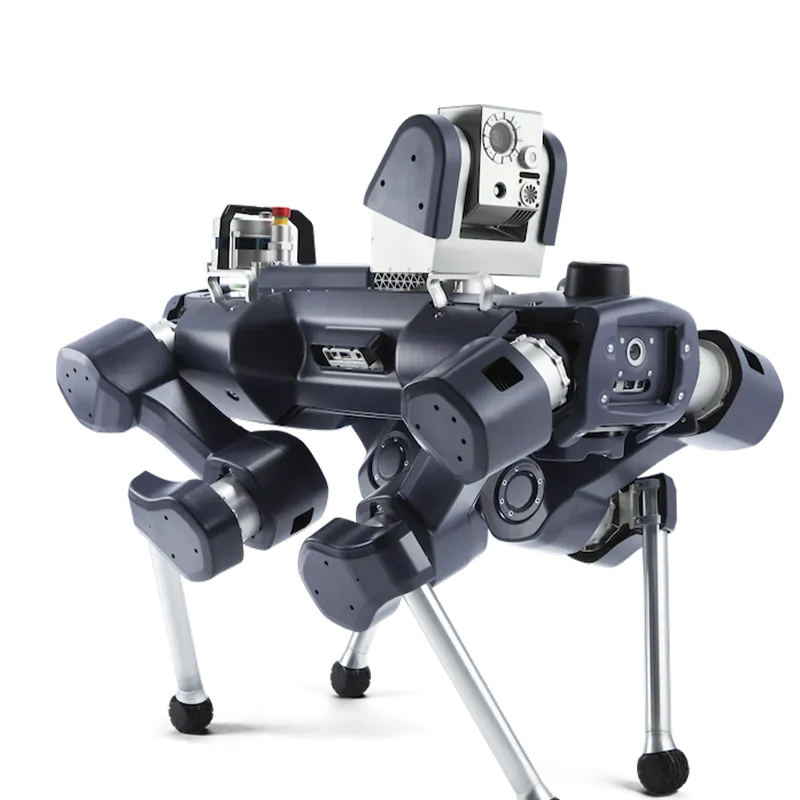
ANYmal X
- Hazardous area
- Zone 1 IIB
- Ingress protection
- IP67
- Optical zoom
- 20 ×




Price on request · Available to order
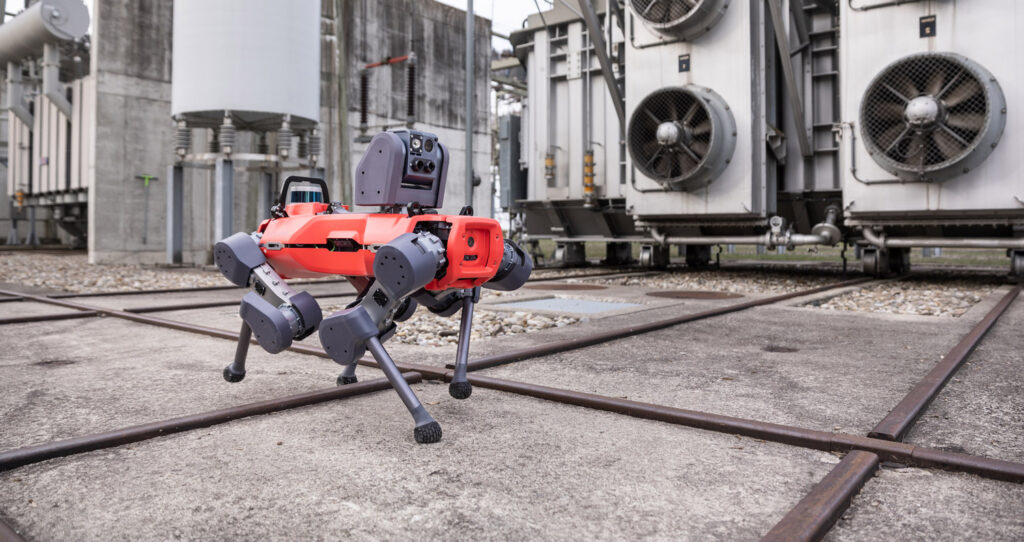
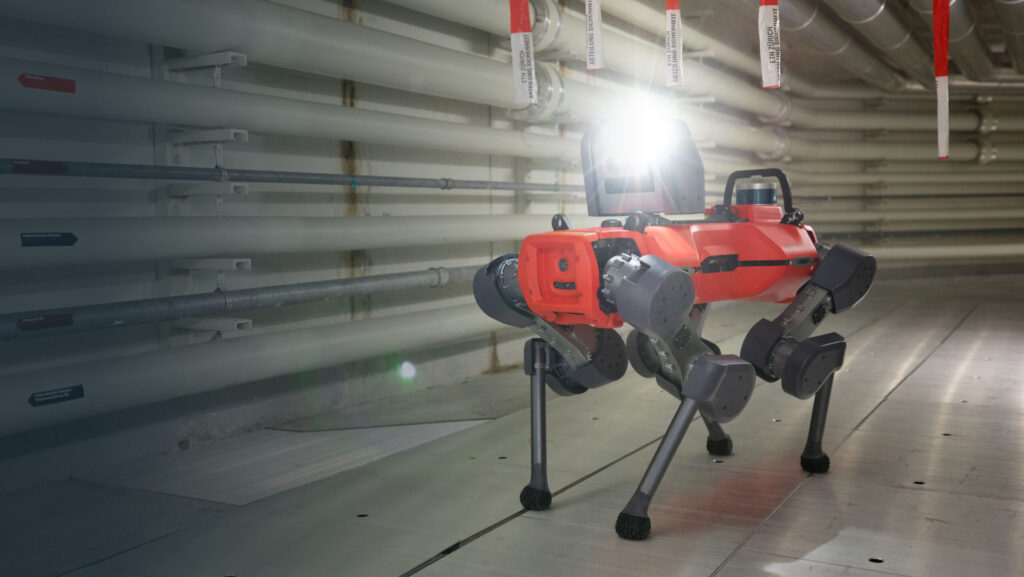
ANYbotics ANYmal is a four-legged industrial inspection robot that brings visual, thermal and acoustic sensing to repeatable equipment rounds. It is intended for collecting observations at defined checkpoints rather than simply moving a camera through a building. A useful project starts with the assets to inspect, the evidence maintenance staff need and the decisions they will make from that evidence.
A proposed route might combine a photograph of an indicator, a thermal observation of a housing and an acoustic recording near a running component. Each checkpoint needs a suitable viewing position and an agreed measurement procedure. Keeping those conditions consistent helps an engineering team compare successive rounds and investigate changes without relying on an isolated image.
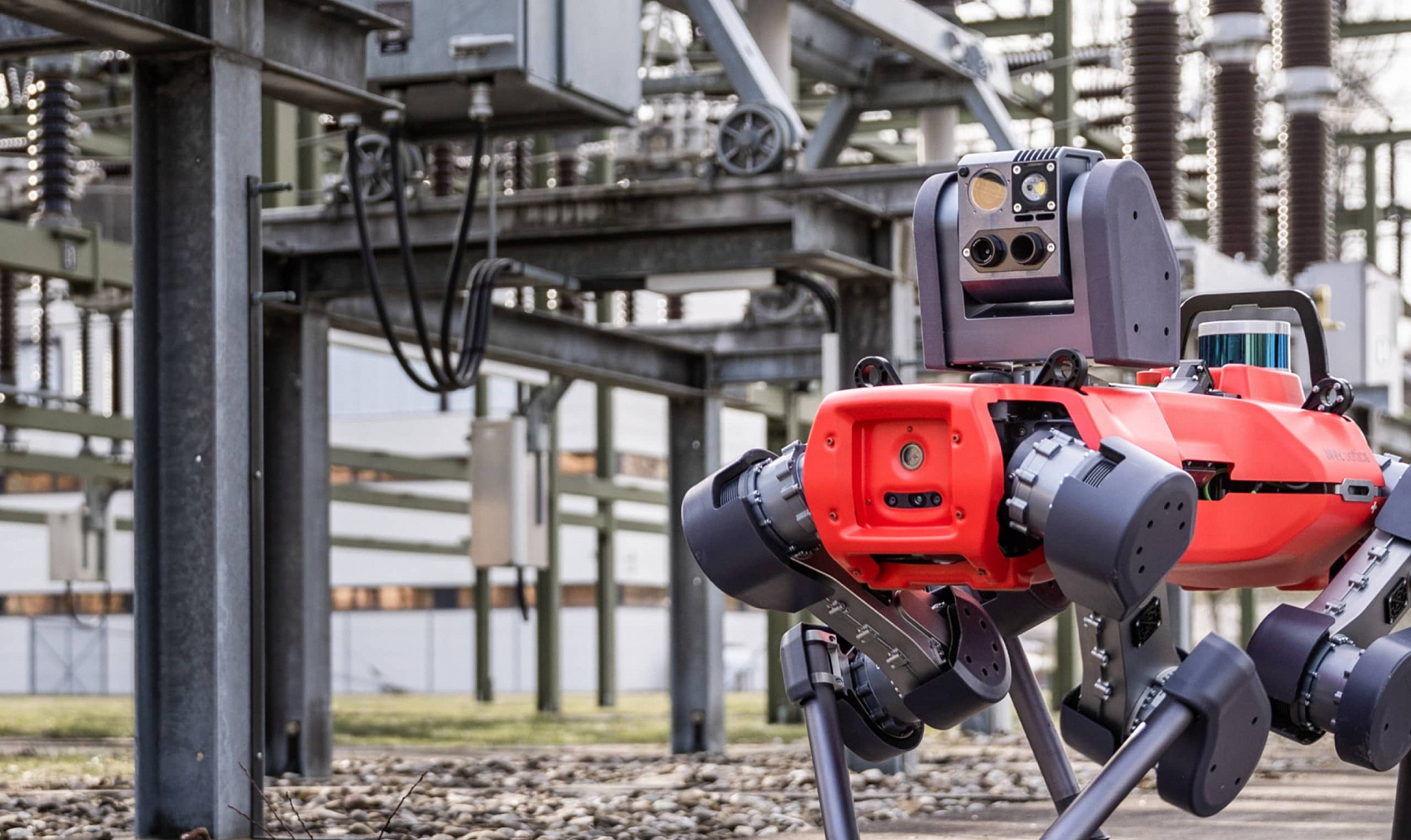
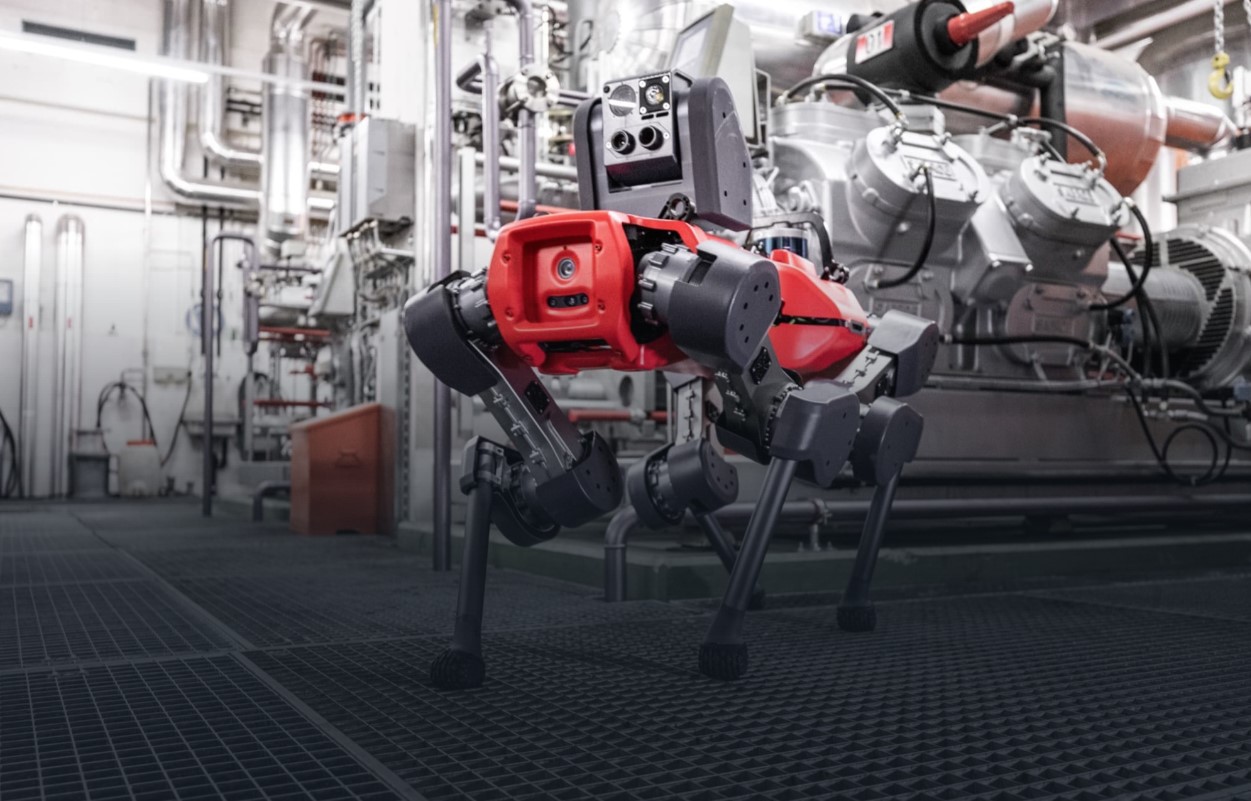
Legged mobility is relevant to industrial sites with stairs, changes of level and passages designed for people. Route acceptance should nevertheless use the actual facility. Grating, access restrictions, temporary obstructions and the space needed to turn all affect whether a useful inspection can be completed. A successful walking demonstration is only one part of evaluating a complete inspection mission.
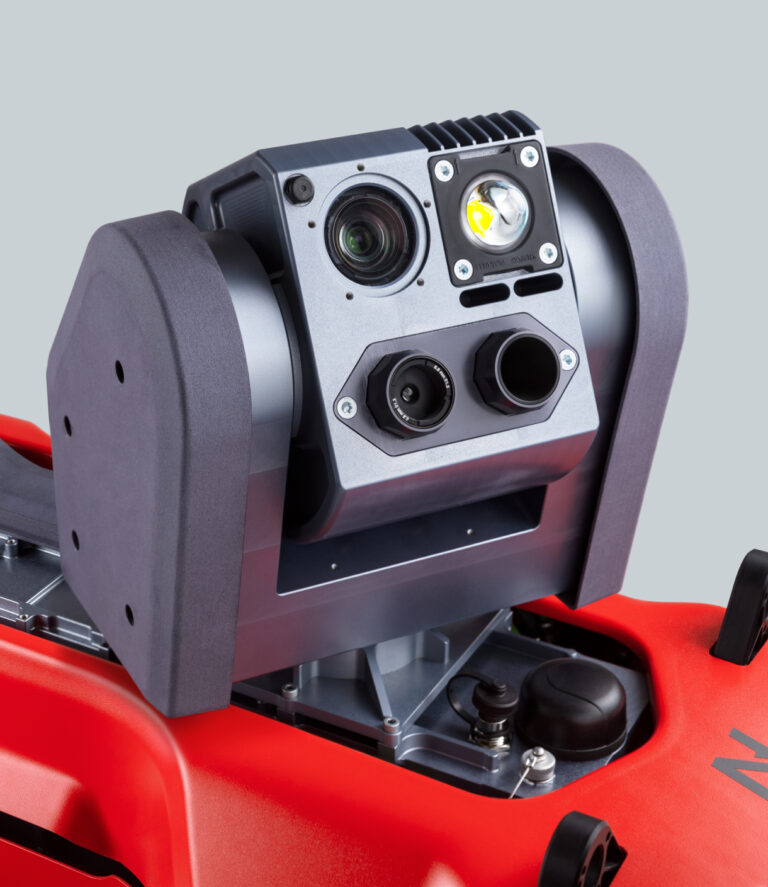
The standard pan-and-tilt inspection assembly combines a zoom camera, thermal camera, ultrasonic microphone and lighting. The visual camera provides 20x optical zoom. ANYmal's published thermal measurement range is -40 to +550 °C; this describes the temperature being measured, not the ambient operating temperature of the robot. Selecting an observation position remains important even when a sensor can measure remotely.
Acoustic observations can complement imagery when a team is investigating equipment behaviour. For meaningful comparisons, document the recording position and the operating state of the asset. A change detected while a machine is under a different load may need a different interpretation from a change observed under the same operating conditions. Alarm thresholds and the response to findings should therefore be part of mission preparation.
A surrounding lidar view, depth cameras and teleoperation cameras support movement and operator observation. In a pilot, check the full sequence from leaving the dock to positioning at a checkpoint and returning. Include the places where people or movable equipment can obstruct the route, and decide who can intervene when the surroundings change.
ANYmal supports automatic docking, and additional docking locations can extend route coverage. Charging belongs in the shift plan alongside inspection time and travel. Evaluate whether the required round finishes with an appropriate energy reserve under its real payload and stopping pattern. A battery figure on its own does not establish how many complete rounds a facility will obtain.
Gas concentration sensors and acoustic imaging are available for additional inspection requirements. They answer different questions from thermal or visual imaging and should be selected against the actual assets and substances involved. An option shown in the manufacturer's range should not be treated as standard equipment on every delivered robot. Record the required sensing package explicitly when comparing proposals.
For an industrial inspection project in the UAE, prepare a checkpoint list, a route drawing and sample outputs that maintenance engineers can assess. Specify who reviews anomalies, how observations are stored and which existing maintenance system needs the results. Where data exchange is required, agree the interface and acceptance criteria before treating integration as complete.
Site assessment should also cover indoor and outdoor sections, network availability along the route and the location of charging equipment. These are project questions to verify at the facility, not assumptions that follow from the robot's IP67 enclosure. The enclosure rating and the temperature range of a thermal sensor describe different technical properties.
ANYmal and ANYmal X must be selected against the area classification. ANYmal X is the separately specified explosion-protected model; the standard ANYmal's water and dust protection does not establish suitability for a hazardous gas zone. The final choice should identify the exact robot version, sensor package, docking arrangement and operating procedure for the intended inspection work.
Tell us about your task, site and robot. Leave your contact details so we can discuss the scope and next steps.