
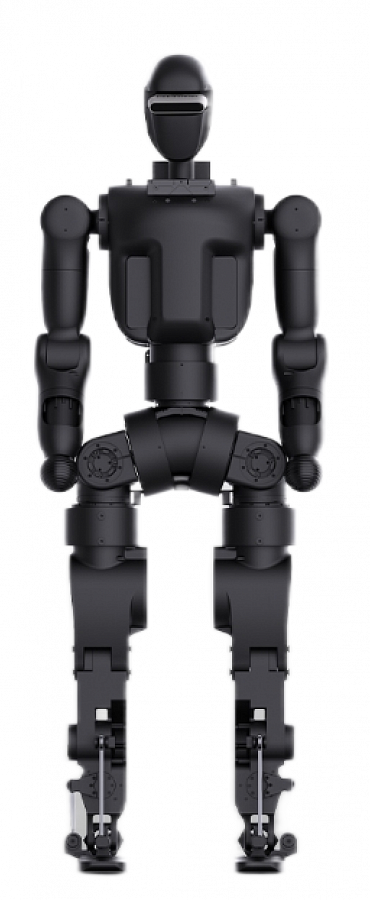
Fourier N1
- Runtime estimate
- ≈120 min
- Degrees of freedom
- 23 DOF
- Walking speed
- 2.7 km/h


Price on request · Available to order
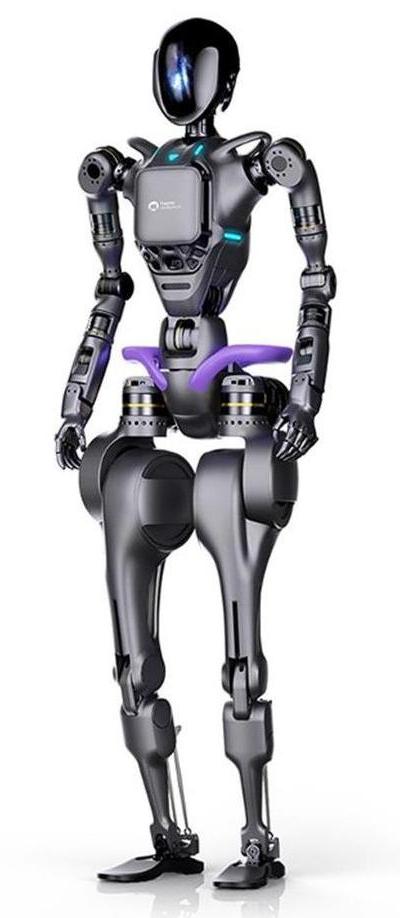
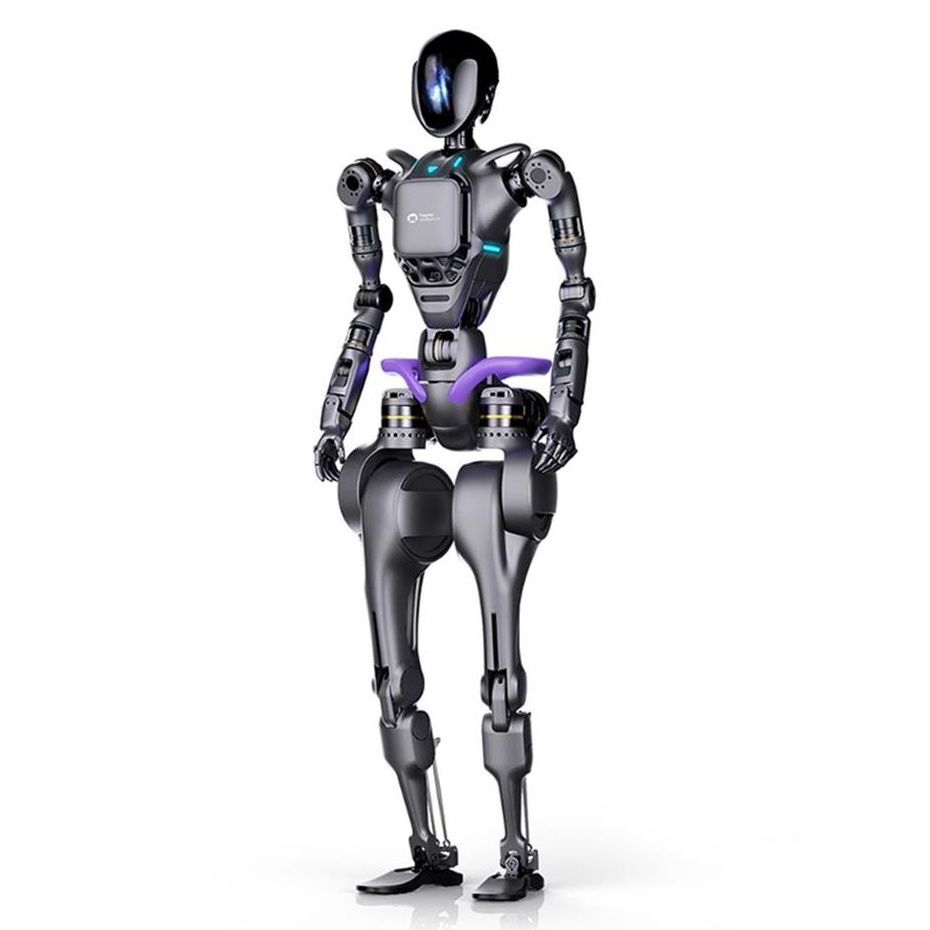
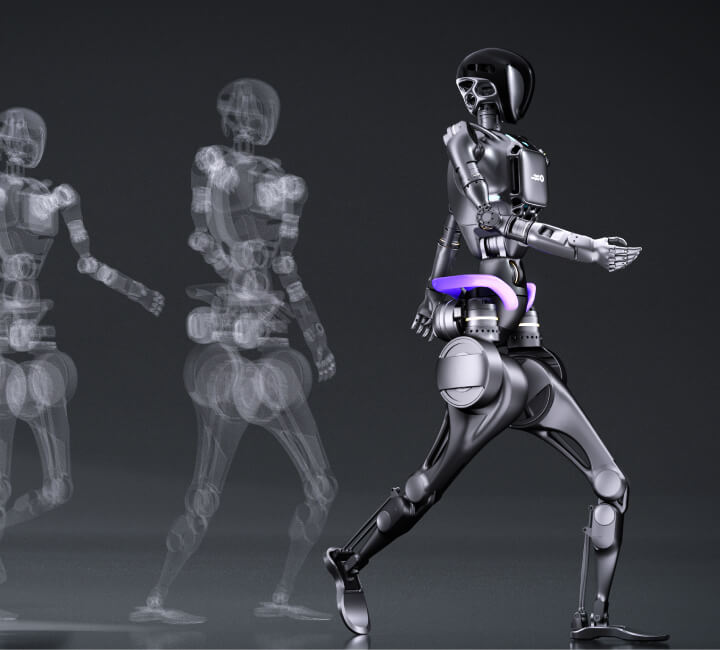
Fourier GR-1 is a full-size bipedal humanoid for research into motion control and object interaction. The platform combines an articulated body, two arms, multi-finger hands and depth cameras. It is relevant to laboratories, universities and developers who need to evaluate algorithms on a physical system with a human-like arrangement of joints.
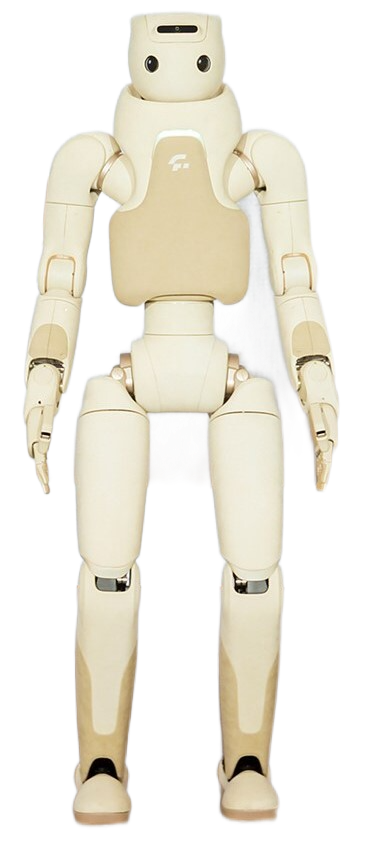
GR-1 consists of the head, torso, arms, hands and lower limbs. Both the head and waist have three degrees of freedom, allowing the camera direction and upper-body posture to be related to a task. An experiment can therefore consider more than an isolated arm movement: it can examine how the body faces a work area and how the intended action relates to balance and overall posture.
Each arm has seven degrees of freedom across the shoulder, elbow and wrist. This provides different ways to bring the hand into a working region. Preparing a manipulation task involves selecting an approach, grasp orientation and position relative to the object. Object dimensions, mass, available space and body motion become connected conditions of the trial.
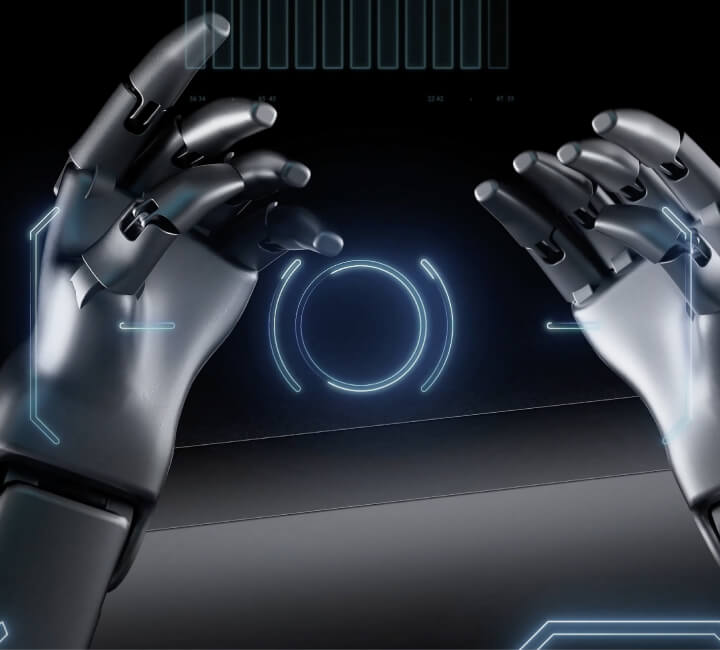
The documented multi-finger hand has six degrees of freedom. Thumb motion supports opposition and posture adjustment, while flexion of the other fingers adapts the grasp to different shapes. This provides a basis for studying contact and holding with varying geometries. The application determines how finger motion is coordinated with the arm and when the grasping stage is complete.
The specification lists an approximate 3 kg load for one hand. That is relevant when choosing experimental objects alongside their size and location. A task may focus on holding, transferring between prepared positions or repeatability of the approach. Evaluating a defined action under explicit conditions makes results easier to compare across trials and software revisions.
Head-mounted depth cameras provide visual information, while an IMU contributes motion and orientation data. The documented computer uses an Intel Core i7 with Ubuntu 20.04 and ROS 2. This provides a software environment in which a research team can organise data processing, planning and control for its selected task. The application project supplies the particular logic that connects those stages.
Ethernet links the components, and the power-management system serves the actuators and other modules. Developers can therefore examine the robot as a set of interacting subsystems. Perception can provide information about an object, a planner can choose the motion and actuator commands can implement it on the mechanism. Observing the outcome completes the next stage of the experimental cycle.
Official material includes operation and SDK-development guides. Joint arrangements, interfaces and parameters help prepare the experiment before running it on the robot. Before preparing motion, the team checks the installed arm and hand configuration against the documentation for the actual unit. The kinematic model and software interfaces are matched to that equipment so commands correspond to the physical body.
For a UAE robotics laboratory, GR-1 supports a sequence of defining a bounded task, preparing the programme, observing execution and refining the next trial. Energy planning follows the test regime because walking and other activities place different demands on the system. The platform's particular value is a connected full-size body with technical documentation for investigating how an algorithm becomes a physical action.


Tell us about your task, site and robot. Leave your contact details so we can discuss the scope and next steps.