
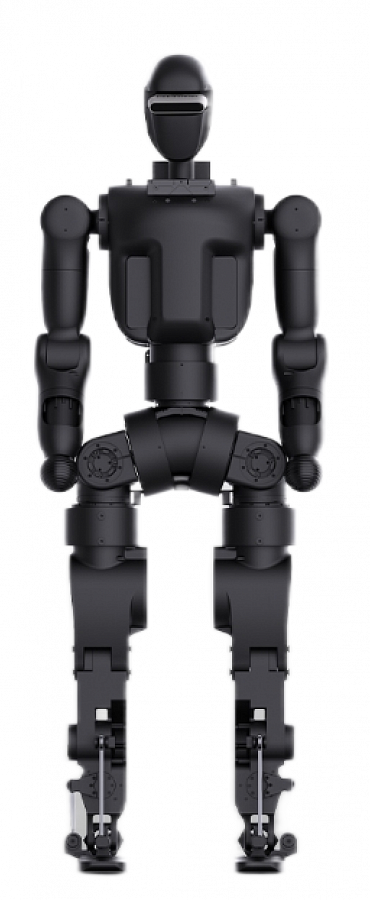
Fourier N1
- Runtime estimate
- ≈120 min
- Degrees of freedom
- 23 DOF
- Walking speed
- 2.7 km/h


Price on request · Available to order
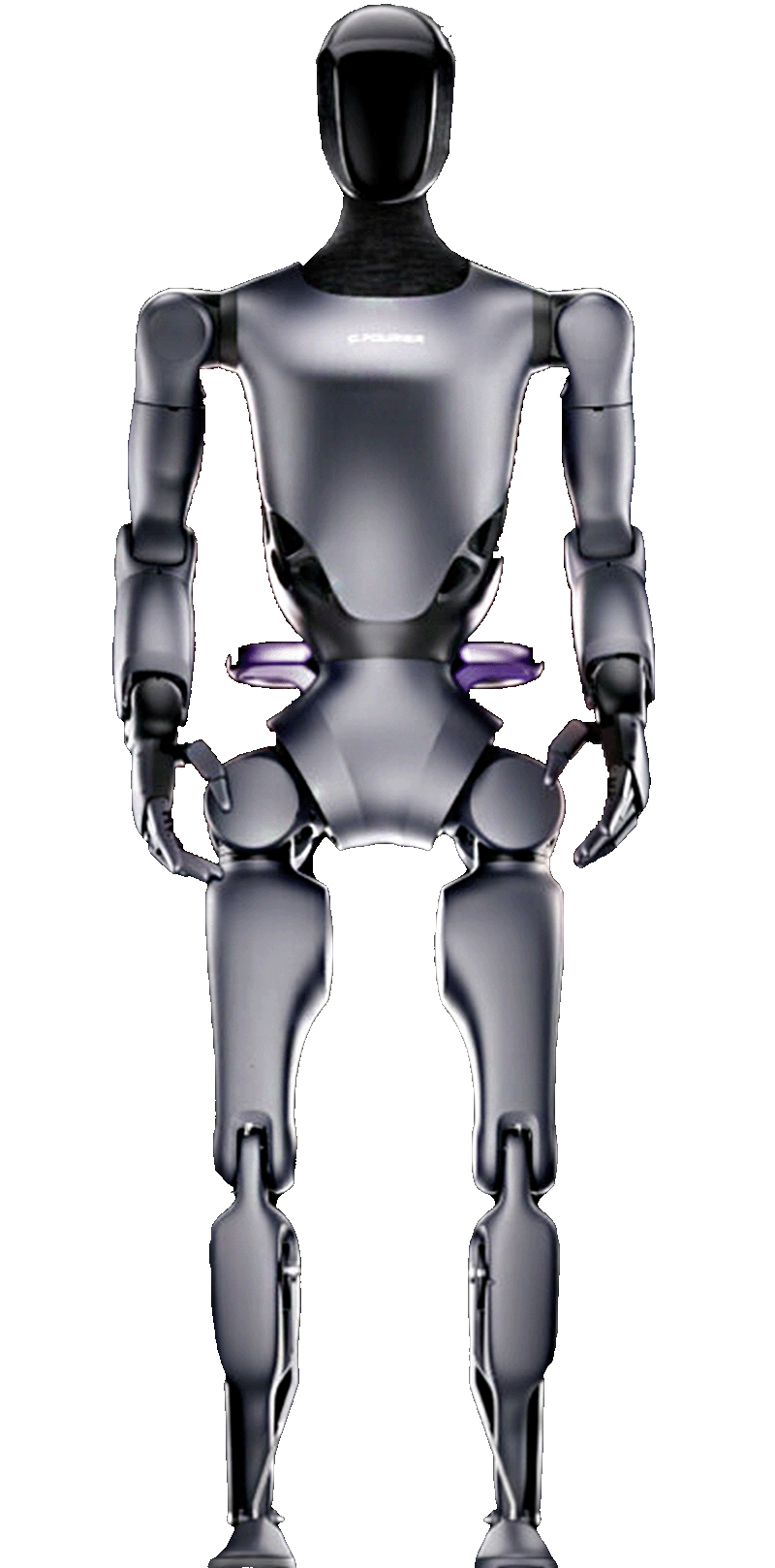
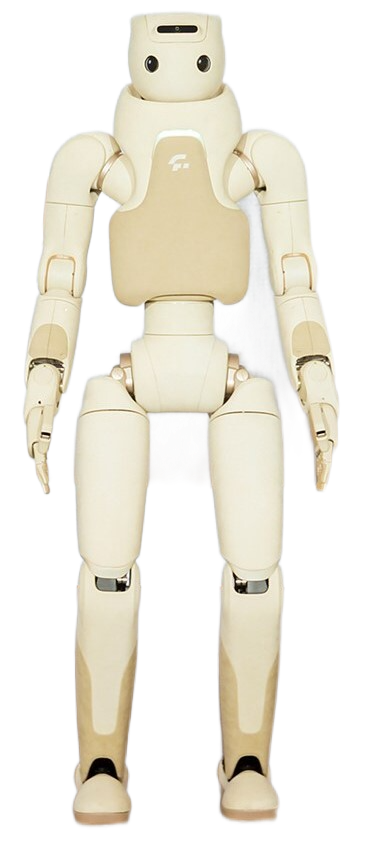
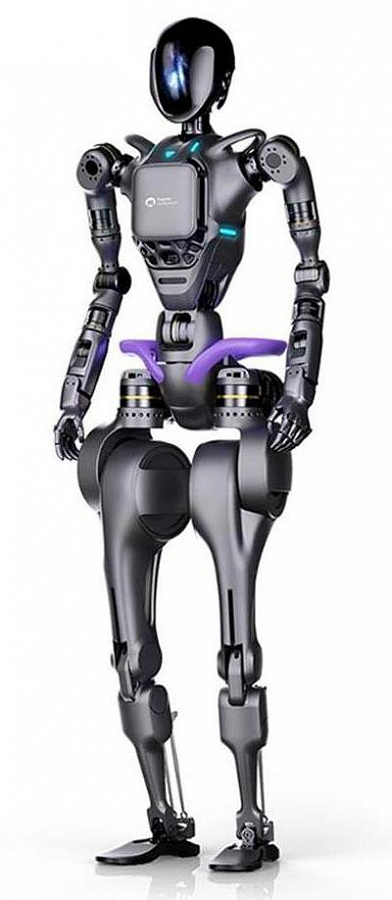
Fourier GR-2 is a second-generation full-size humanoid for developing motion, manipulation and human interaction. It brings together bipedal mechanics, two arms, visual perception and computing modules. The platform can serve research and experimental applications in which the body, camera and hands must be coordinated within a defined physical task.
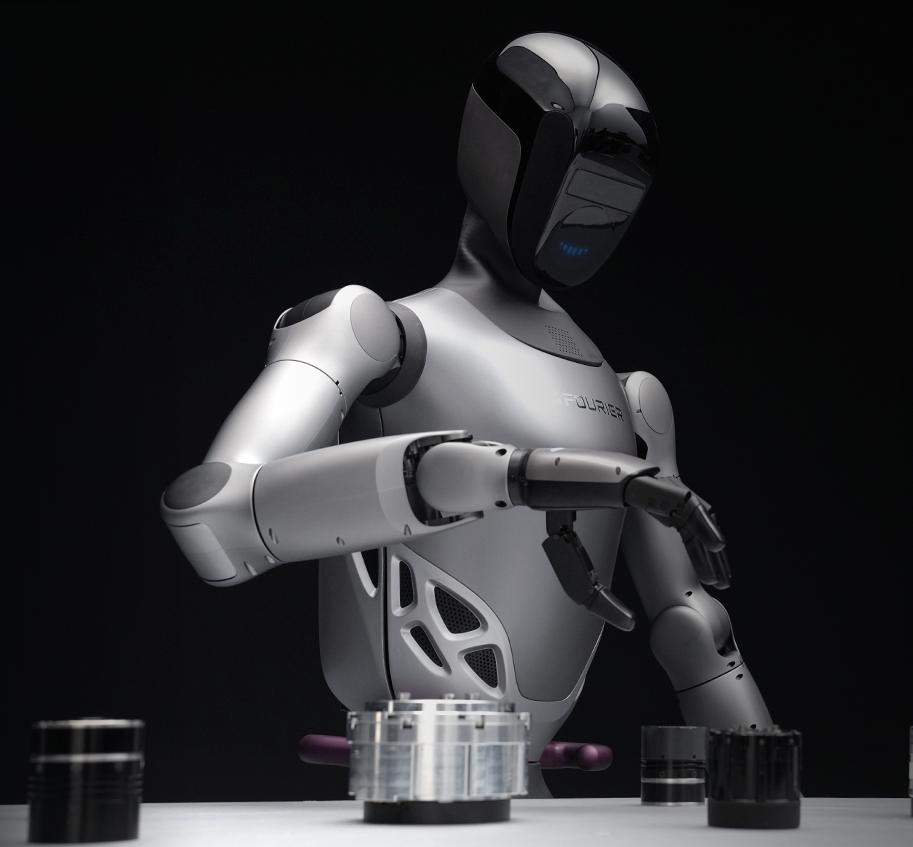
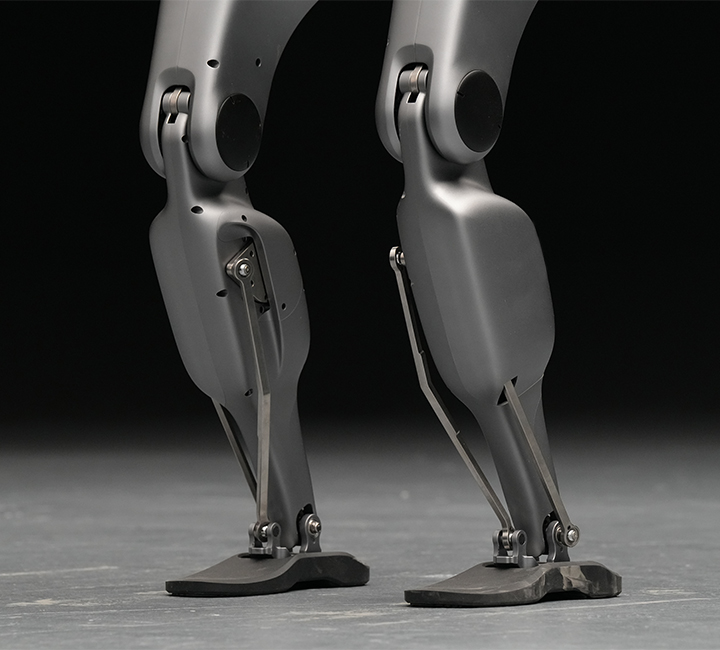
GR-2 stands approximately 175 cm tall and uses FSA 2.0 actuators. Each arm has seven degrees of freedom and each leg has six, while the waist provides upper-body rotation. This supports experiments involving reach, hand orientation and body position. Approaching a work surface can, for example, be connected to a prepared manipulation of a selected object.
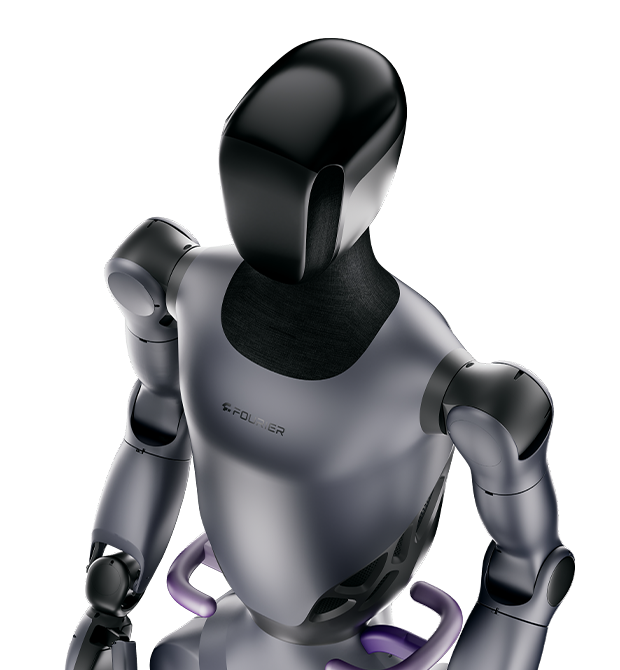
The head moves on two axes and incorporates visual and voice-interaction modules. Turning it helps relate the viewing direction to an object or person. A development workflow can test perception, action selection and physical execution separately before combining them into a sequence. That creates understandable conditions for comparing behaviour across successive trials.
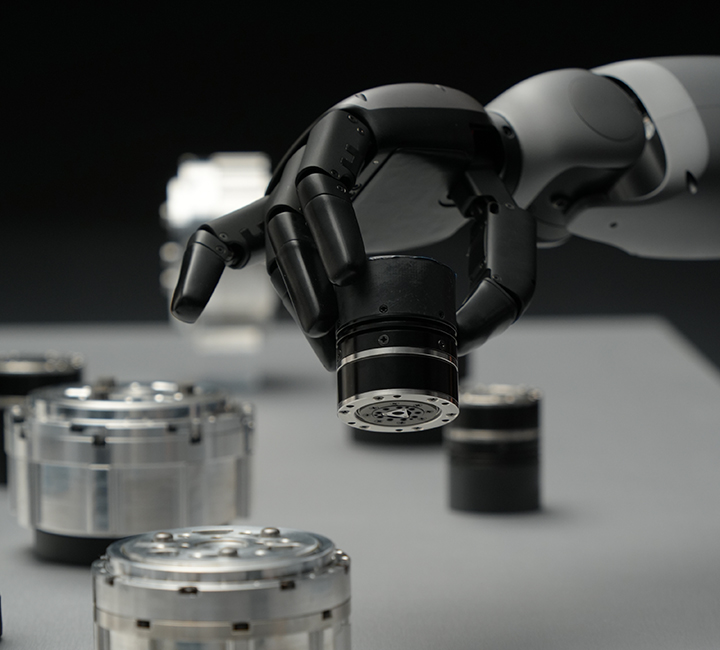
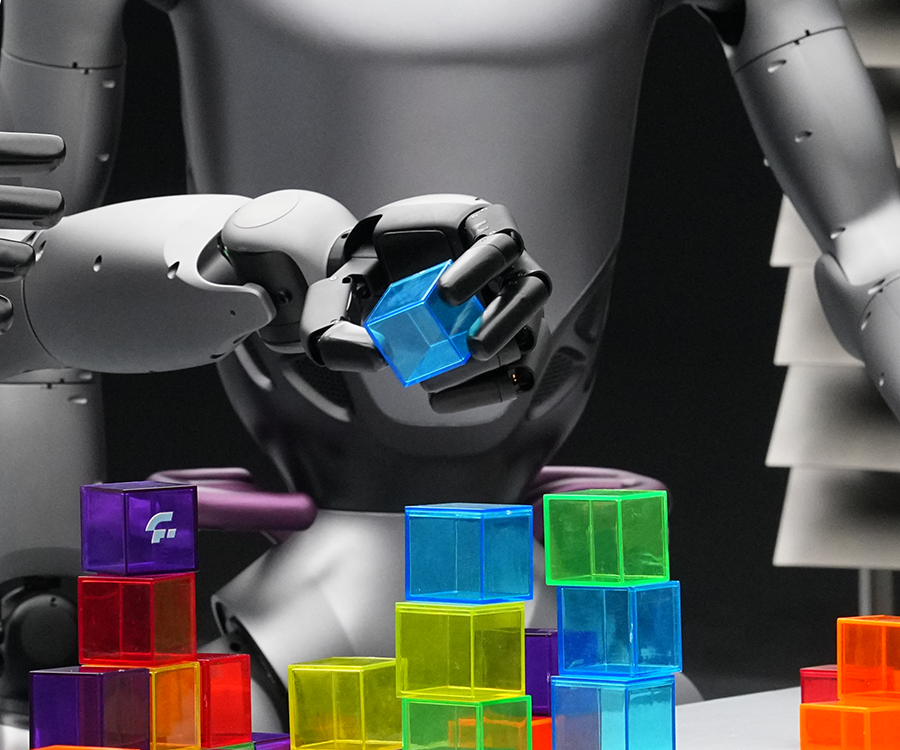
Each standard hand has six degrees of freedom, with a twelve-degree-of-freedom version available as an option. This distinction matters to manipulation development because the kinematic model and grasp programme must match the installed end effector. The largest total degree-of-freedom figure in the documentation applies to the enhanced-hand configuration.
Hand selection follows the object and action. One investigation may require repeatable holding of a simple shape, while another needs more detailed finger control. The approximate 3 kg single-hand load is one condition considered alongside object dimensions and position. The application defines the approach, contact and completion of the operation for its prepared set of objects.
GR-2 has an Intel Core i7 motion-control module and a separate perception computer. A binocular camera and six-axis IMU provide information about the surroundings and motion state. This allows sensor processing and control to be treated as connected parts of the project with distinct responsibilities. The developer determines which inputs the task needs and how a perception result affects the next command.
Ethernet, Wi-Fi 6 and external interfaces provide routes for peripheral connection. Expansion is useful when an experiment requires an additional device or an operator workstation. A particular connection follows the model's instructions and the location and purpose of its ports. This keeps the hardware configuration aligned with the software that uses it.
Official documentation describes joint axes, zero positions and limits for position, velocity and torque. Those details help prepare movements within the constraints of the relevant joint and check kinematic calculations. Each body section has its own operating limits, so a particular command is analysed against the joint it addresses. The general specification complements that more detailed mechanical model.
Local and wireless emergency stops are part of the documented system, while the battery and charging process establish an energy cycle for trials. Operating time is related to the selected load and activity. For a UAE research or development team, GR-2 supports a progression from motion modelling to physical evaluation, with the application expanded as experiments are assessed. A defined task, exact hand configuration and a prepared observation process make that progression concrete.

Tell us about your task, site and robot. Leave your contact details so we can discuss the scope and next steps.