
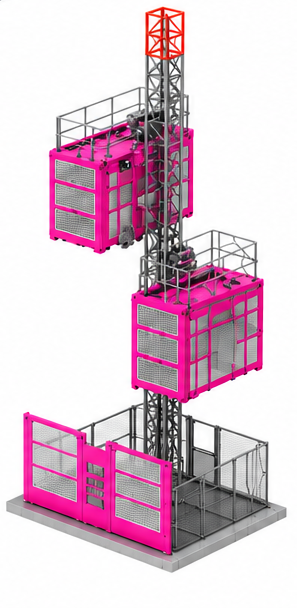
Intelligent Construction Hoist SC200/200ZA
- Rated capacity of two cages
- 2×2000 kg
- Maximum installation height
- 242 m
- Lifting speed
- 0–36 m/min
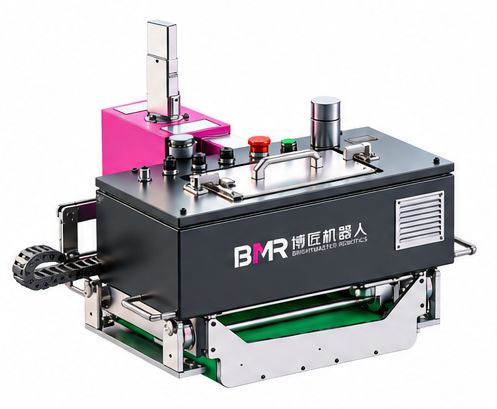

Price on request · Available to order
The BMR Floor Screeding Robot is designed for floor screeding with dry-mixed mortar. It levels the material and controls floor elevation through an automatic cycle started from a remote controller. Intended applications include apartments, public buildings, metro stations and floors above underfloor heating systems. Its role is to mechanise screeding within an organised indoor floor installation or refurbishment process.
This model works with mortar for floor screeds. Material selection and the floor build-up are therefore central to equipment assessment: mortar screeding and leveling freshly placed concrete are different construction tasks. BMR lists old residential floor refurbishment, commercial interior fit-out, large public building floors and transport hub platform flooring among its applications. For heated floors, the relevant stage is screeding the backfill layer after the heating system has been installed.
One-touch automatic operation is started using the remote controller. The system combines laser measurement and positioning with motion control algorithms and real-time control. Positioning, area measurement and equipment status monitoring are included in its stated functions. The operator arranges the machine on a prepared work area and starts the cycle, while the system controls the working motion. Mortar supply, the order of work areas and inspection of the completed layer need to be coordinated within the construction method.
Published flatness is 3 mm over 2 m, with a screeding thickness range of 0 to 10 cm. These values provide a basis for comparing the equipment with project requirements for the layer and finished surface. Target elevations, thickness in individual areas and acceptance criteria should be agreed before work starts. The floor build-up, substrate and selected mortar all contribute to the result and should be assessed together when preparing the method statement.
Theoretical productivity is at least 130 m²/h. A programme for a particular floor should also consider room geometry, the number of separate work areas, preparation and movement between sections. An apartment with several rooms requires a different sequence from a large open public space. Planning around the actual work sections connects the machine cycle to the tasks performed by the rest of the construction team.
Maximum body dimensions are 790 mm in length, 730 mm in width and 660 mm in height. Published weight is 65 kg. These figures are relevant to delivery to the floor and movement between rooms. The complete access route should be checked, including doorways, turns and the space needed to position the machine at the working area. Operating power is 300 W, supplied by a 48 V, 25 Ah battery system.
Stated endurance is at least 6 hours, with fast charging in no more than 3 hours. These intervals support planning of work and charging around prepared mortar and available floor sections. Operating temperature is -5 to +40 °C and ingress protection is IP54. Equipment conditions and the installation requirements of the chosen material should be checked together. On a UAE project, the actual temperature in the work area is a relevant input to the construction programme.
A useful assessment starts with floor plans, required screed thickness, flatness criteria and the mortar specification. Substrate preparation, laser setup and the order of automatic cycles can then be discussed around a defined work package. For underfloor heating, the layer construction above the heating system also needs agreement. This connects the Floor Screeding Robot to a specific floor installation method and gives the operator and site team a clear basis for organising the work.

Tell us about your task, site and robot. Leave your contact details so we can discuss the scope and next steps.